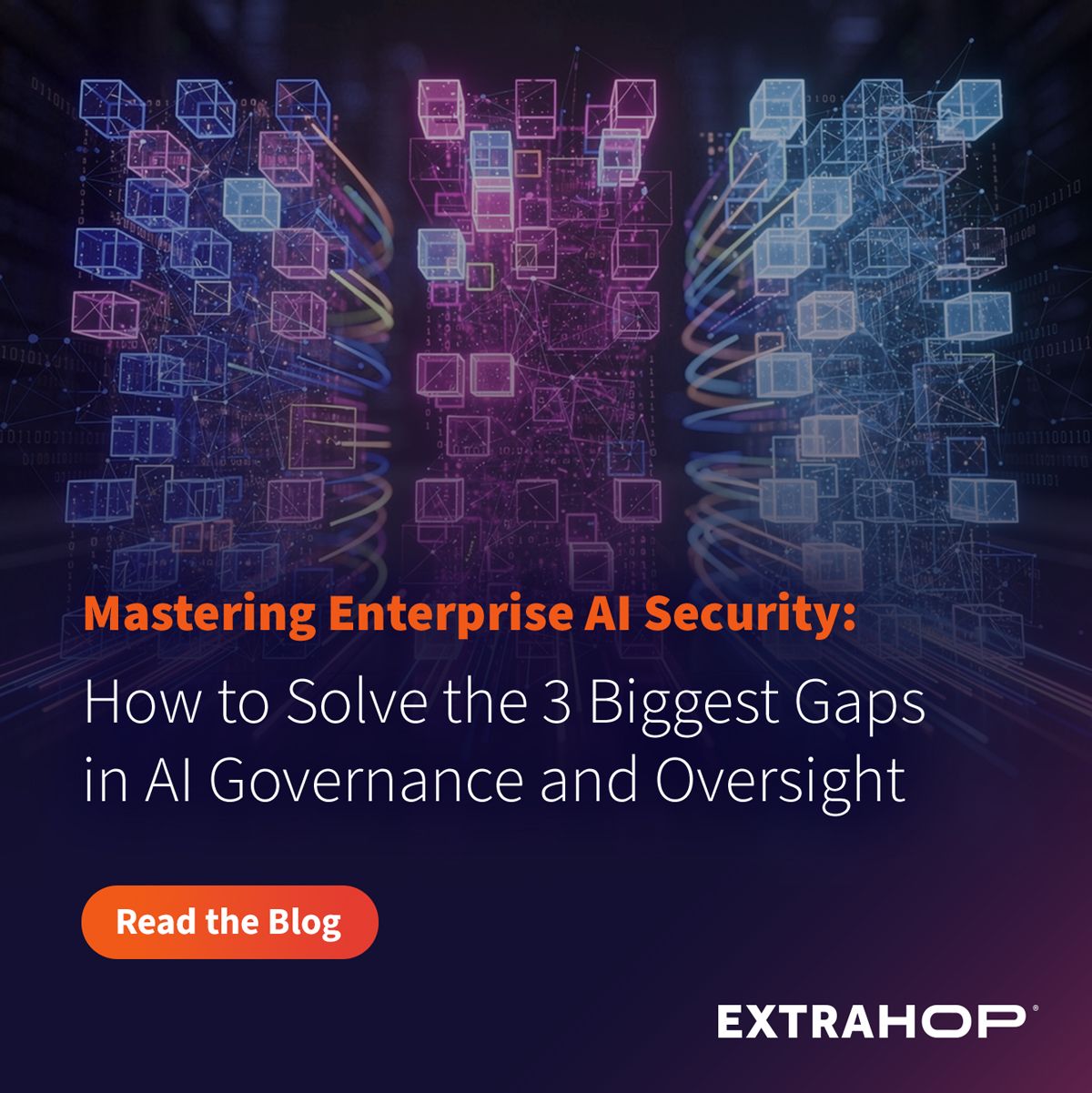

Unlike static applications, AI introduces dynamic, unpredictable risks, like autonomous agents operating with unchecked privileges and prompt injections bypassing standard firewalls.
To close these governance gaps, security teams need a sharper framework:
1️⃣ Track: Establish continuous visibility into every LLM and agent.
2️⃣ Monitor: Shift to behavioral analysis to spot anomalous AI actions in real-time.
3️⃣ Enforce: Move from static, written policies to active network enforcement.
If you are trying to build out an oversight architecture for your organization's AI, here is a practical breakdown of how to close those gaps: https://xtra.li/3RxRaND
#AI governance #AI security #machine learning oversight #dynamic risk management #AI policy enforcement
To close these governance gaps, security teams need a sharper framework:
1️⃣ Track: Establish continuous visibility into every LLM and agent.
2️⃣ Monitor: Shift to behavioral analysis to spot anomalous AI actions in real-time.
3️⃣ Enforce: Move from static, written policies to active network enforcement.
If you are trying to build out an oversight architecture for your organization's AI, here is a practical breakdown of how to close those gaps: https://xtra.li/3RxRaND
#AI governance #AI security #machine learning oversight #dynamic risk management #AI policy enforcement
Shared byHayden Park - 10 hours ago
Log in to comment
Loading ..
Related Articles

Secure Your AI Infrastructure with Kubernetes Security Best Practices
CrowdStrike & ExtraHop Webinar: 5 Requirements for a Modern SOC

NATO Locked Shields 2026: The Role of ExtraHop NDR in Modern Cyber Defense

Expanding Partnership with Ignition Technology to Drive SOC Innovation in North America
Transform Security: Zscaler Webinar on Evidence-First Approach

Building a Modern Enterprise-Grade NDR Platform: Architecture and Capabilities
4
0/100