Comprehensive Cardiovascular Health During Menopause: Women’s Health Month Focus

May is Women’s Health Month, an important reminder that heart disease remains the leading cause of death in women, and that the menopausal transition represents a critical cardiovascular inflection point.
Estrogen plays an important role in cardiovascular health. During perimenopause and menopause, as estrogen declines, women may experience changes in vascular function, inflammation, blood pressure, and lipid profiles, sometimes even without major changes to diet or exercise.
Yet cardiovascular screening during the menopausal transition often remains incomplete. Many women receive only basic lipid panels, which may not capture the broader metabolic shifts occurring during this window.
The menopausal transition is a key opportunity for prevention. A more comprehensive cardiovascular assessment during this period, integrating hormone status, advanced lipid testing, inflammatory markers, and metabolic function, can help identify risk patterns earlier and support more personalized intervention.
For women with a family history of cardiovascular disease or existing risk factors, this integrated approach is especially important.
At Aligned Modern Health, we treat the menopausal transition as an important cardiovascular inflection point. Prevention is most effective when it starts before disease does.
Heart disease being the leading cause of death for women is supported by CDC, and AHA notes that hormone and body composition changes during menopause can increase heart disease risk after menopause.
https://bit.ly/42DBI4y
#Heartdisease
Estrogen plays an important role in cardiovascular health. During perimenopause and menopause, as estrogen declines, women may experience changes in vascular function, inflammation, blood pressure, and lipid profiles, sometimes even without major changes to diet or exercise.
Yet cardiovascular screening during the menopausal transition often remains incomplete. Many women receive only basic lipid panels, which may not capture the broader metabolic shifts occurring during this window.
The menopausal transition is a key opportunity for prevention. A more comprehensive cardiovascular assessment during this period, integrating hormone status, advanced lipid testing, inflammatory markers, and metabolic function, can help identify risk patterns earlier and support more personalized intervention.
For women with a family history of cardiovascular disease or existing risk factors, this integrated approach is especially important.
At Aligned Modern Health, we treat the menopausal transition as an important cardiovascular inflection point. Prevention is most effective when it starts before disease does.
Heart disease being the leading cause of death for women is supported by CDC, and AHA notes that hormone and body composition changes during menopause can increase heart disease risk after menopause.
https://bit.ly/42DBI4y
#Heartdisease
Shared byJamie Kim - 12 days ago
Log in to comment
Loading ..
Related Articles
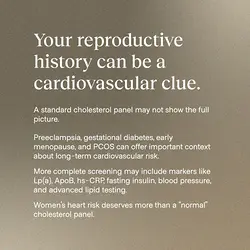
Beyond the Basics: Comprehensive Cardiovascular Risk Assessment for Women

Understanding the Connection Between Stress and Hormone Health
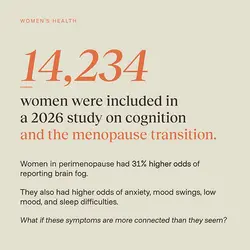
Understanding the Interconnection of Symptoms in Perimenopause

Understanding Menopause's Impact on Cardiovascular Health in Women

Understanding the Hidden Health Toll of Caregiver Stress This Mother’s Day

Midlife Women’s Health: Beyond Standard Bloodwork with Dr. Delilah Renegar
0/100