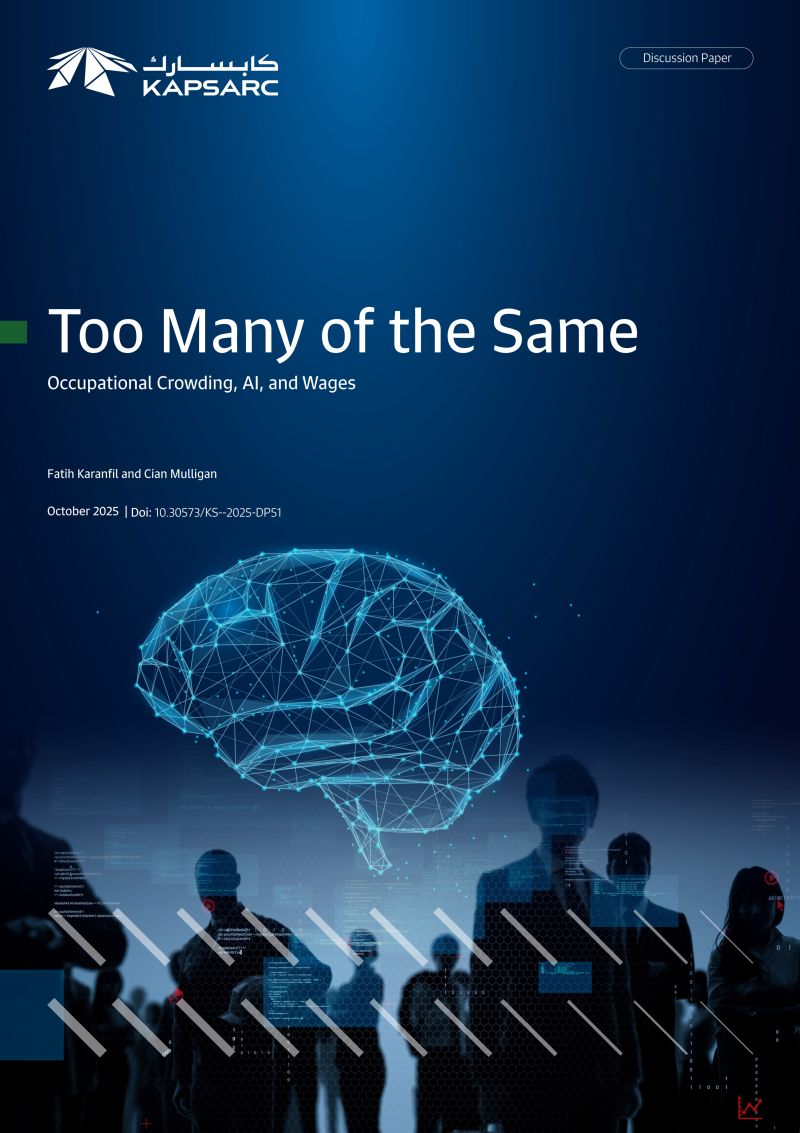

Saudi Arabia’s transition toward a diversified, knowledge-based economy can harness artificial intelligence (AI) as a driver of productivity, innovation, and high-quality employment.
KAPSARC’s discussion paper uses unique administrative data to show how AI-augmented occupations (highly exposed to and complementary with AI) are reshaping labor market outcomes. These roles tend to command higher wages, particularly in the energy, manufacturing, and services sectors. However, an influx of workers with similar skills can erode this wage premium.
A key takeaway: AI readiness requires not only building skills but also enabling mobility across sectors to avoid overconcentration.
Read more:
#SaudiAIYear
#KAPSARC
KAPSARC’s discussion paper uses unique administrative data to show how AI-augmented occupations (highly exposed to and complementary with AI) are reshaping labor market outcomes. These roles tend to command higher wages, particularly in the energy, manufacturing, and services sectors. However, an influx of workers with similar skills can erode this wage premium.
A key takeaway: AI readiness requires not only building skills but also enabling mobility across sectors to avoid overconcentration.
Read more:
#SaudiAIYear
#KAPSARC
Shared byLogan Shah - 16 days ago
Log in to comment
Loading ..
Related Articles

Last 10 Days to Apply for 2026 KAPSARC Master of Public Policy Program

Boost Power System Efficiency with Generative AI: Insights from KAPSARC Study
AI Framework Cuts Costs and Enhances Reliability in Power Sector, Study Finds
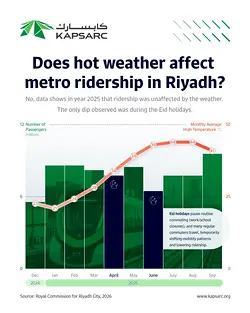
Riyadh Metro's 2025 Record: 44 Million Riders and Urban Mobility Trends
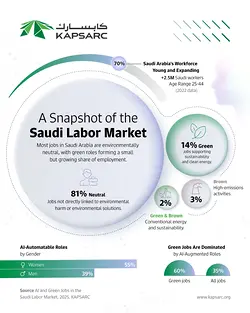
AI's Impact on Saudi Arabia's Labor Market: Insights and Trends
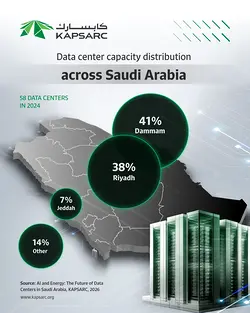
Exploring Saudi Arabia's Rapidly Expanding Data Center Landscape
27
0/100