
CIOs aren’t asking, “Should we implement AI?”
They’re asking, “How do we implement AI without disrupting the business?”
Because AI rarely fails at the model layer.
It fails at strategy.
At data.
At governance.
At adoption.
AI transformation is not a tech experiment.
It’s an enterprise shift.
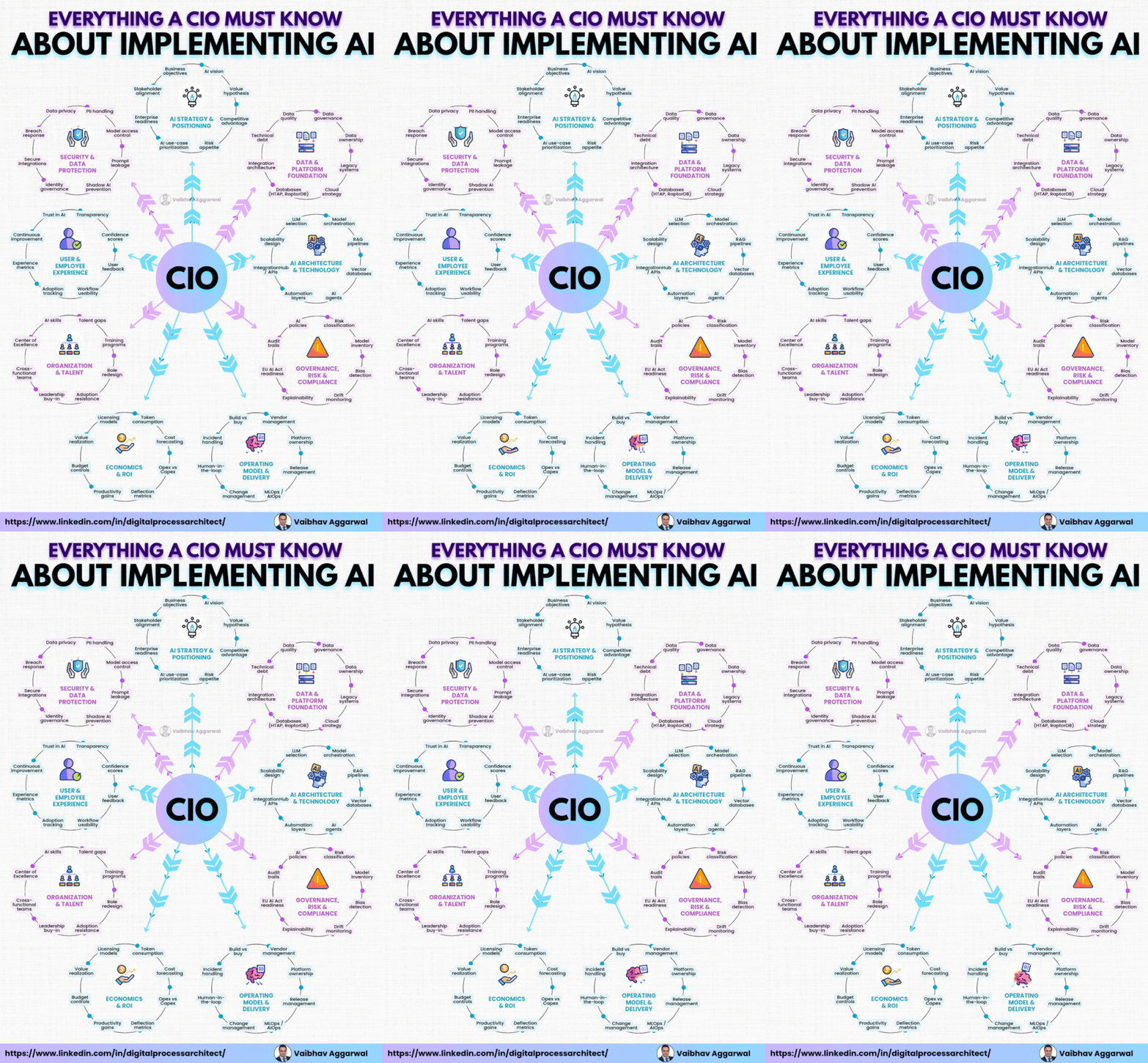
Here are the pillars every CIO must master to implement AI responsibly and at scale:
1️⃣ AI Strategy & Positioning
Clarify where AI creates real business value.
Define the AI vision
Align with business objectives
Build a clear value hypothesis
Assess competitive advantage
Set risk appetite
Without strategy, AI becomes scattered experimentation.
2️⃣ Security & Data Protection
AI expands your attack surface.
Protect PII and sensitive data
Secure integrations and APIs
Control model access
Prevent prompt leakage
Govern identity and shadow AI
Trust is non-negotiable.
3️⃣ Data & Platform Foundation
AI is only as strong as your data layer.
Improve data quality
Establish governance and ownership
Modernize integration architecture
Align cloud strategy
Reduce technical debt
Garbage data = expensive hallucinations.
4️⃣ AI Architecture & Technology
Choose wisely.
LLM selection strategy
Orchestration layers
RAG pipelines
Vector databases
Automation layers
AI agents
Architecture decisions determine scalability.
5️⃣ Governance, Risk & Compliance
Regulation is accelerating.
AI policies and guardrails
Bias detection
Drift monitoring
Model inventory
Audit trails
EU AI Act readiness
Compliance must be built-in, not bolted on.
6️⃣ Operating Model & Delivery
Execution matters more than pilots.
Build vs. buy decisions
Vendor management
Platform ownership
Incident handling
MLOps / AIOps standardization
Release governance
AI needs operational discipline.
7️⃣ Economics & ROI
AI at scale is not cheap.
Token consumption forecasting
Licensing models
Opex vs Capex planning
Productivity tracking
Value realization metrics
If you can’t measure impact, you can’t justify investment.
8️⃣ Organization & Talent
Technology changes roles.
Close AI skill gaps
Launch training programs
Redesign workflows
Build a Center of Excellence
Manage adoption resistance
AI success is cultural, not just technical.
9️⃣ User & Employee Experience
Adoption determines ROI.
Workflow usability
Confidence scoring
Transparent outputs
Feedback loops
Continuous improvement
If employees don’t trust it, they won’t use it.
AI transformation is organizational.
Architectural.
Strategic.
The CIO who masters these pillars won’t just deploy AI.
They’ll define how their company competes in the AI era.
Credit to Vaibhav Aggarwal.
They’re asking, “How do we implement AI without disrupting the business?”
Because AI rarely fails at the model layer.
It fails at strategy.
At data.
At governance.
At adoption.
AI transformation is not a tech experiment.
It’s an enterprise shift.
Here are the pillars every CIO must master to implement AI responsibly and at scale:
1️⃣ AI Strategy & Positioning
Clarify where AI creates real business value.
Define the AI vision
Align with business objectives
Build a clear value hypothesis
Assess competitive advantage
Set risk appetite
Without strategy, AI becomes scattered experimentation.
2️⃣ Security & Data Protection
AI expands your attack surface.
Protect PII and sensitive data
Secure integrations and APIs
Control model access
Prevent prompt leakage
Govern identity and shadow AI
Trust is non-negotiable.
3️⃣ Data & Platform Foundation
AI is only as strong as your data layer.
Improve data quality
Establish governance and ownership
Modernize integration architecture
Align cloud strategy
Reduce technical debt
Garbage data = expensive hallucinations.
4️⃣ AI Architecture & Technology
Choose wisely.
LLM selection strategy
Orchestration layers
RAG pipelines
Vector databases
Automation layers
AI agents
Architecture decisions determine scalability.
5️⃣ Governance, Risk & Compliance
Regulation is accelerating.
AI policies and guardrails
Bias detection
Drift monitoring
Model inventory
Audit trails
EU AI Act readiness
Compliance must be built-in, not bolted on.
6️⃣ Operating Model & Delivery
Execution matters more than pilots.
Build vs. buy decisions
Vendor management
Platform ownership
Incident handling
MLOps / AIOps standardization
Release governance
AI needs operational discipline.
7️⃣ Economics & ROI
AI at scale is not cheap.
Token consumption forecasting
Licensing models
Opex vs Capex planning
Productivity tracking
Value realization metrics
If you can’t measure impact, you can’t justify investment.
8️⃣ Organization & Talent
Technology changes roles.
Close AI skill gaps
Launch training programs
Redesign workflows
Build a Center of Excellence
Manage adoption resistance
AI success is cultural, not just technical.
9️⃣ User & Employee Experience
Adoption determines ROI.
Workflow usability
Confidence scoring
Transparent outputs
Feedback loops
Continuous improvement
If employees don’t trust it, they won’t use it.
AI transformation is organizational.
Architectural.
Strategic.
The CIO who masters these pillars won’t just deploy AI.
They’ll define how their company competes in the AI era.
Credit to Vaibhav Aggarwal.
Shared byLogan Lopez - 9 days ago
Log in to comment
Loading ..
Related Articles
12 Essential AI Prompts for Advanced Cybersecurity Teams
Understanding the Evolution of AI Systems from LLMs to Agentic AI
The Power of Kindness in Leadership: Building a Culture of Respect
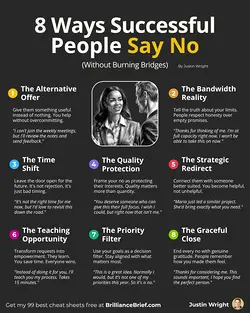
The Power of Saying No: Leadership Insights for Protecting Your Energy
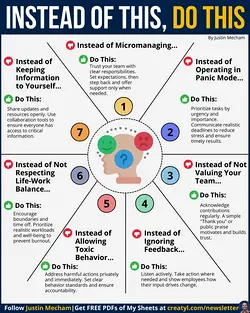
Revitalize Leadership: 7 Effective Swaps to Restore Trust and Productivity

Understanding AI Architecture: Comparing Claude and ChatGPT's Five Key Layers
271
0/100