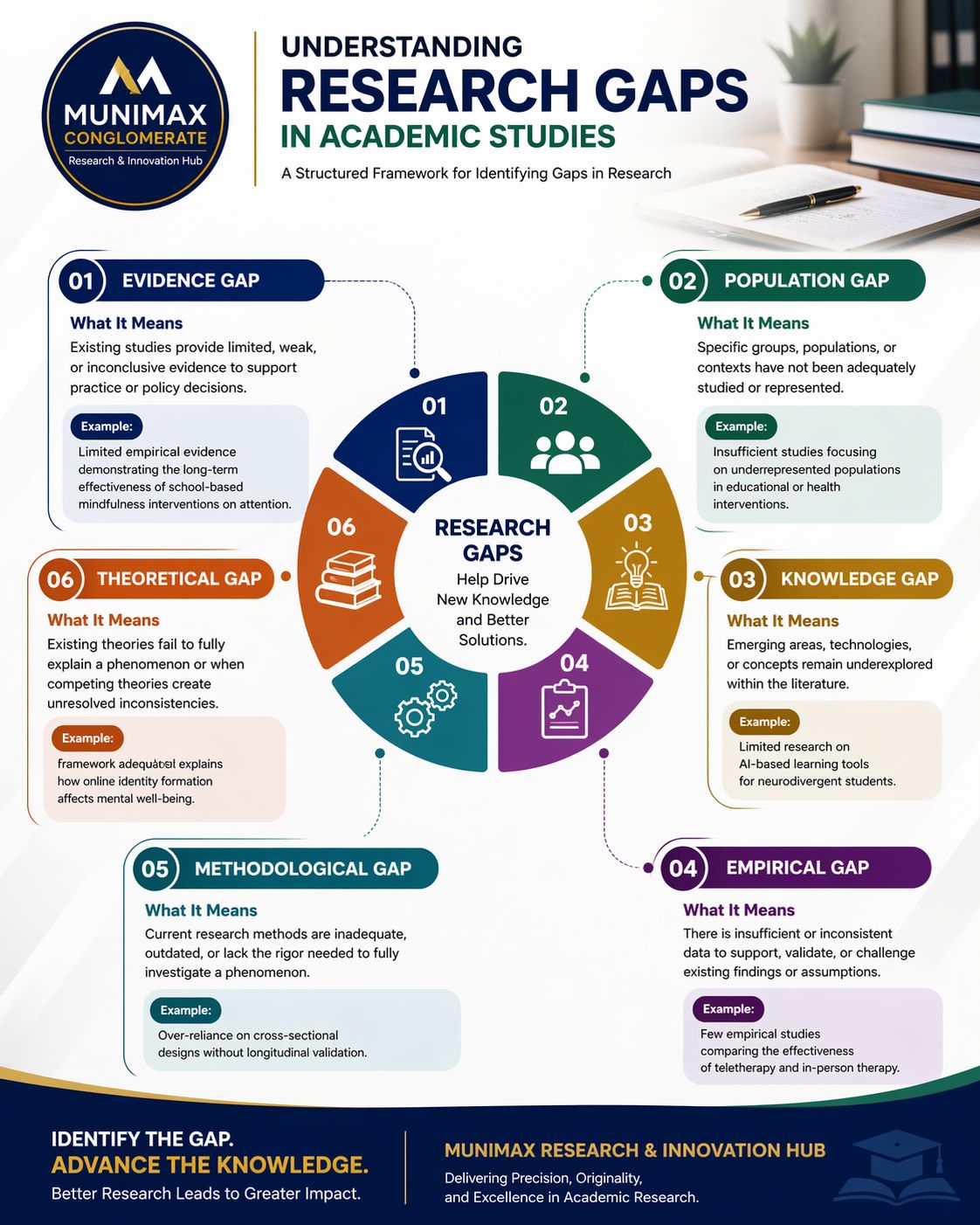

9 Things You Should Know Before Writing Chapter Two (Literature Review) of Your Master's or PhD Thesis
1️⃣ Know the Purpose of Each Section
The Conceptual Review explains the key concepts of the study, how they relate to one another
2️⃣Synthesize the Literature—Don't List It
Chapter Two is not a catalogue of studies.
Avoid writing:
❌ "Author A found... Author B found... Author C found..."
Instead, group related studies and synthesize their collective findings.
Your task is to build an argument, not reproduce a bibliography.
3️⃣Organize the Literature Around Your Objectives
Your literature review should mirror your research objectives.
For example, if your study has four objectives, each objective should ideally be supported by:
The relevant concepts
The relevant theories
The relevant empirical evidence
This keeps Chapter Two focused and aligned with the purpose of the study.
4️⃣Write Every Paragraph Using PEER
One of the most effective ways to write Chapter Two is the PEER framework:
Point
Evidence
Explanation
Repeat (or Restate the main point)
PEER transforms descriptive writing into analytical writing.
5️⃣Build Your Overall Argument Using Toulmin's Framework
While PEER structures individual paragraphs, Toulmin-style argumentation strengthens the overall scholarly argument.
Don't simply present evidence.
Explain:
What claim is being made?
What evidence supports it?
Why does the evidence support the claim?
What assumptions underpin the argument?
What limitations or counterarguments exist?
This is what distinguishes a critical literature review from a descriptive one.
6️⃣Write in Sufficient Depth
A PhD literature review should not be superficial.
Although word count varies by institution and discipline, Chapter Two is often the longest chapter in the thesis and commonly exceeds 10,000 words.
The objective is not length for its own sake, but sufficient depth to demonstrate mastery of the field.
7️⃣Use Both Past and Present Tense Correctly
Use the past tense when discussing what previous researchers did.
"Smith (2022) investigated..."
Use the present tense when discussing established knowledge or synthesizing the literature.
"The literature suggests..."
"Current evidence indicates..."
This distinction improves clarity and academic style.
8️⃣Critique the Literature—Don't Just Report It
A literature review should not simply describe previous studies.
Evaluate them.
Ask questions such as:
What assumptions were made?
What methods were used?
What limitations remained?
Where do the findings agree or conflict?
What questions remain unanswered?
Critical evaluation is what leads naturally to your research gap.
9️⃣End with a Clear Gap Analysis
Chapter Two should not end with another summary.
It should end with a Gap Analysis.
This section demonstrates:
What is already known.
What remains unknown.
Why previous studies have not resolved the problem.
How your study addresses that deficiency.
#thesiswriting #PhDthesis #literaturereview #academicwriting #researchmethodology
1️⃣ Know the Purpose of Each Section
The Conceptual Review explains the key concepts of the study, how they relate to one another
2️⃣Synthesize the Literature—Don't List It
Chapter Two is not a catalogue of studies.
Avoid writing:
❌ "Author A found... Author B found... Author C found..."
Instead, group related studies and synthesize their collective findings.
Your task is to build an argument, not reproduce a bibliography.
3️⃣Organize the Literature Around Your Objectives
Your literature review should mirror your research objectives.
For example, if your study has four objectives, each objective should ideally be supported by:
The relevant concepts
The relevant theories
The relevant empirical evidence
This keeps Chapter Two focused and aligned with the purpose of the study.
4️⃣Write Every Paragraph Using PEER
One of the most effective ways to write Chapter Two is the PEER framework:
Point
Evidence
Explanation
Repeat (or Restate the main point)
PEER transforms descriptive writing into analytical writing.
5️⃣Build Your Overall Argument Using Toulmin's Framework
While PEER structures individual paragraphs, Toulmin-style argumentation strengthens the overall scholarly argument.
Don't simply present evidence.
Explain:
What claim is being made?
What evidence supports it?
Why does the evidence support the claim?
What assumptions underpin the argument?
What limitations or counterarguments exist?
This is what distinguishes a critical literature review from a descriptive one.
6️⃣Write in Sufficient Depth
A PhD literature review should not be superficial.
Although word count varies by institution and discipline, Chapter Two is often the longest chapter in the thesis and commonly exceeds 10,000 words.
The objective is not length for its own sake, but sufficient depth to demonstrate mastery of the field.
7️⃣Use Both Past and Present Tense Correctly
Use the past tense when discussing what previous researchers did.
"Smith (2022) investigated..."
Use the present tense when discussing established knowledge or synthesizing the literature.
"The literature suggests..."
"Current evidence indicates..."
This distinction improves clarity and academic style.
8️⃣Critique the Literature—Don't Just Report It
A literature review should not simply describe previous studies.
Evaluate them.
Ask questions such as:
What assumptions were made?
What methods were used?
What limitations remained?
Where do the findings agree or conflict?
What questions remain unanswered?
Critical evaluation is what leads naturally to your research gap.
9️⃣End with a Clear Gap Analysis
Chapter Two should not end with another summary.
It should end with a Gap Analysis.
This section demonstrates:
What is already known.
What remains unknown.
Why previous studies have not resolved the problem.
How your study addresses that deficiency.
#thesiswriting #PhDthesis #literaturereview #academicwriting #researchmethodology
Shared byHarper Patel - 2 days ago
Log in to comment
Loading ..
Related Articles

Glow-in-the-Dark Cycling Path: A Sustainable Art Project in the Netherlands
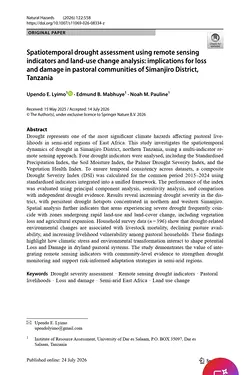
Published PhD Paper on Drought Assessment in Tanzania Using Remote Sensing

Explore New Guide for Enhancing Adolescent Health in School-Based Settings
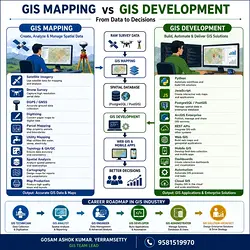
Understanding GIS Mapping vs GIS Development: A Detailed Comparison
Discover Top Free GIS Data Sources for Your Projects

Renewed Passion and Inspiration from the Esri User Conference
78
0/100