
Fear tends to show up in financial conversations more often than greed does. Most people aren’t trying to figure out what they’re getting. They’re worried about making the wrong decision, creating family conflict, or being left to sort through difficult situations without knowing what their parents actually wanted.
That’s why the tone of these conversations matters so much. People can usually tell the difference between “What am I getting?” and “Help me understand what to do when the time comes.”
The full episode of Fearless Money Talks explores ways families can approach these conversations with more empathy, honesty, and a little less discomfort.
YouTube: https://loom.ly/rvwbkYY
Apple Podcasts: https://loom.ly/JH3INHA
Spotify: https://loom.ly/Aj07EqI
#familyfinance #financialplanning #empathyinfinance #avoidingfamilyconflict #financialconversations
That’s why the tone of these conversations matters so much. People can usually tell the difference between “What am I getting?” and “Help me understand what to do when the time comes.”
The full episode of Fearless Money Talks explores ways families can approach these conversations with more empathy, honesty, and a little less discomfort.
YouTube: https://loom.ly/rvwbkYY
Apple Podcasts: https://loom.ly/JH3INHA
Spotify: https://loom.ly/Aj07EqI
#familyfinance #financialplanning #empathyinfinance #avoidingfamilyconflict #financialconversations
Shared byReese Patel - 2 days ago
Log in to comment
Loading ..
Related Articles
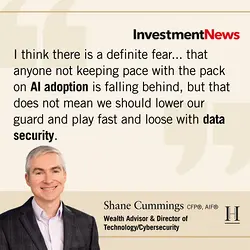
Navigating AI's Role in Wealth Management: Data Security and Ethics

Beyond Money: Essential Inheritance Conversations for Peaceful Transitions

Understanding Tax Loss Harvesting Amid Market Volatility

Tax Implications of Inheritance: Planning for Retirement Accounts

Creating a Sticky Leadership Agenda for Organizational Success

Understanding the Roth IRA's Five-Year Rule and Its Implications
3
0/100