

ShantaQuilette D. Carter-Williams Shares Her Heart Disease Journey and Advocacy
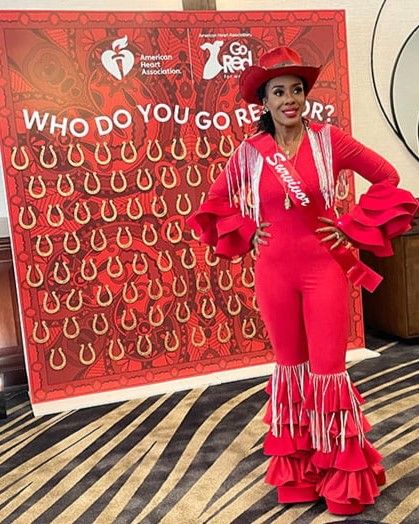
It took eight years, a heart attack and a stroke before ShantaQuilette D. Carter-Williams received a diagnosis of a common heart condition. That’s why she quit her job to become a cardiovascular social media influencer and women’s health advocate.
Shanta was increasingly frustrated at a cycle that seemed to be on continuous loop. She experienced chest pain, nausea, dizziness, shortness of breath or pain in her arms and legs. She’d go to the doctor and be told: It’s stress. Your tests don’t show anything wrong with your heart. Lose some weight. Change your diet. It’s all in your head.
After her stroke, a doctor figured it out: She had atherosclerotic cardiovascular disease, or ASCVD, a condition characterized by a buildup of plaque in the walls of the arteries. It is the leading cause of death worldwide.
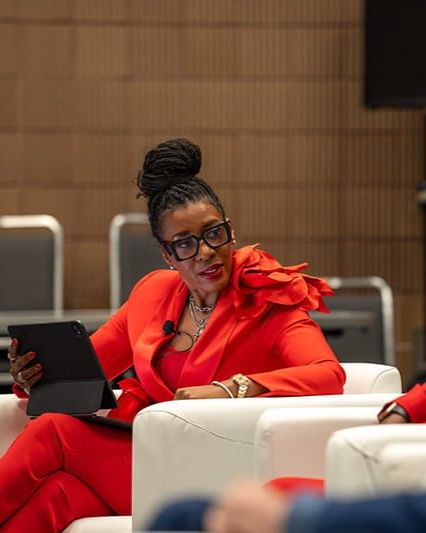
Today Shanta spends her time educating women, especially women of color, about heart disease and stroke and how to advocate for themselves with health professionals. Her reason is simple: She doesn’t want them to go through what she did.
As HeyShantaQ, she posts regularly on Instagram, TikTok and Facebook, encouraging women to eat right and stay physically active, but also to speak up when they visit a health care professional, ask questions, know their cholesterol, blood glucose and blood pressure levels.
Since her diagnosis, Shanta has now lowered both her cholesterol and her blood pressure with the help of medication. With the help of weight-loss medications, she has also lost 157 pounds.
She no longer struggles to control her symptoms. She walks regularly. She does Pilates. She eats a heart-healthy diet.
“I am no longer quiet when I’m in the doctor’s office,” she said. “I’m not just a listener – I’m a communicator. And I challenge assumptions. I ask questions.”
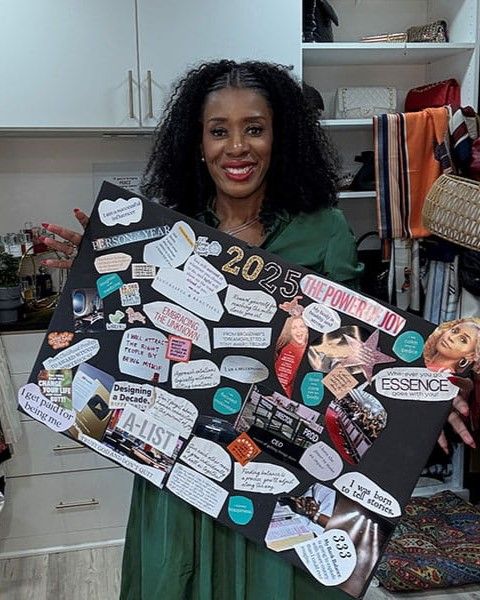
“I am now the CEO of my own health."
#heartdiseaseawareness #womenhealthadvocate #cardiovascularhealth #heartdiseaseeducation #womeninhealth
Shanta was increasingly frustrated at a cycle that seemed to be on continuous loop. She experienced chest pain, nausea, dizziness, shortness of breath or pain in her arms and legs. She’d go to the doctor and be told: It’s stress. Your tests don’t show anything wrong with your heart. Lose some weight. Change your diet. It’s all in your head.
After her stroke, a doctor figured it out: She had atherosclerotic cardiovascular disease, or ASCVD, a condition characterized by a buildup of plaque in the walls of the arteries. It is the leading cause of death worldwide.
Today Shanta spends her time educating women, especially women of color, about heart disease and stroke and how to advocate for themselves with health professionals. Her reason is simple: She doesn’t want them to go through what she did.
As HeyShantaQ, she posts regularly on Instagram, TikTok and Facebook, encouraging women to eat right and stay physically active, but also to speak up when they visit a health care professional, ask questions, know their cholesterol, blood glucose and blood pressure levels.
Since her diagnosis, Shanta has now lowered both her cholesterol and her blood pressure with the help of medication. With the help of weight-loss medications, she has also lost 157 pounds.
She no longer struggles to control her symptoms. She walks regularly. She does Pilates. She eats a heart-healthy diet.
“I am no longer quiet when I’m in the doctor’s office,” she said. “I’m not just a listener – I’m a communicator. And I challenge assumptions. I ask questions.”
“I am now the CEO of my own health."
#heartdiseaseawareness #womenhealthadvocate #cardiovascularhealth #heartdiseaseeducation #womeninhealth
Shared byKendall Bose - 4 days ago
Log in to comment
Loading ..
Related Articles
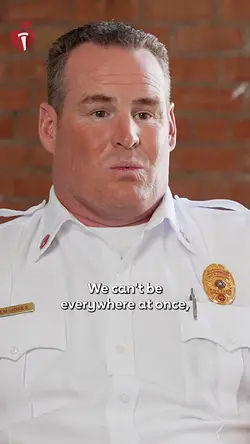
Save Lives with Hands-Only CPR: Essential Skills for Any Situation

Internship Program: Executive Connections and Career Growth
Act Quickly for Cardiac Arrest: Knowledge, Courage, and CPR Skills Save Lives
Lower Stroke Risk with Healthy Lifestyle Choices: HCA Healthcare Foundation Support
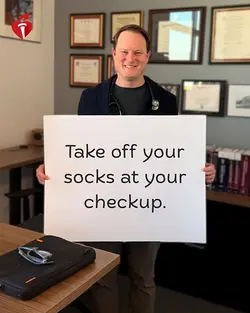
Hidden Heart Risks in Your Socks: Signs of Peripheral Artery Disease
Mastering Acute Pericarditis: Insights from the American Heart Association
103
0/100