
Commercial leases don’t have to be confusing.
One structure I like using in certain deals is a base year lease.
Here’s why:
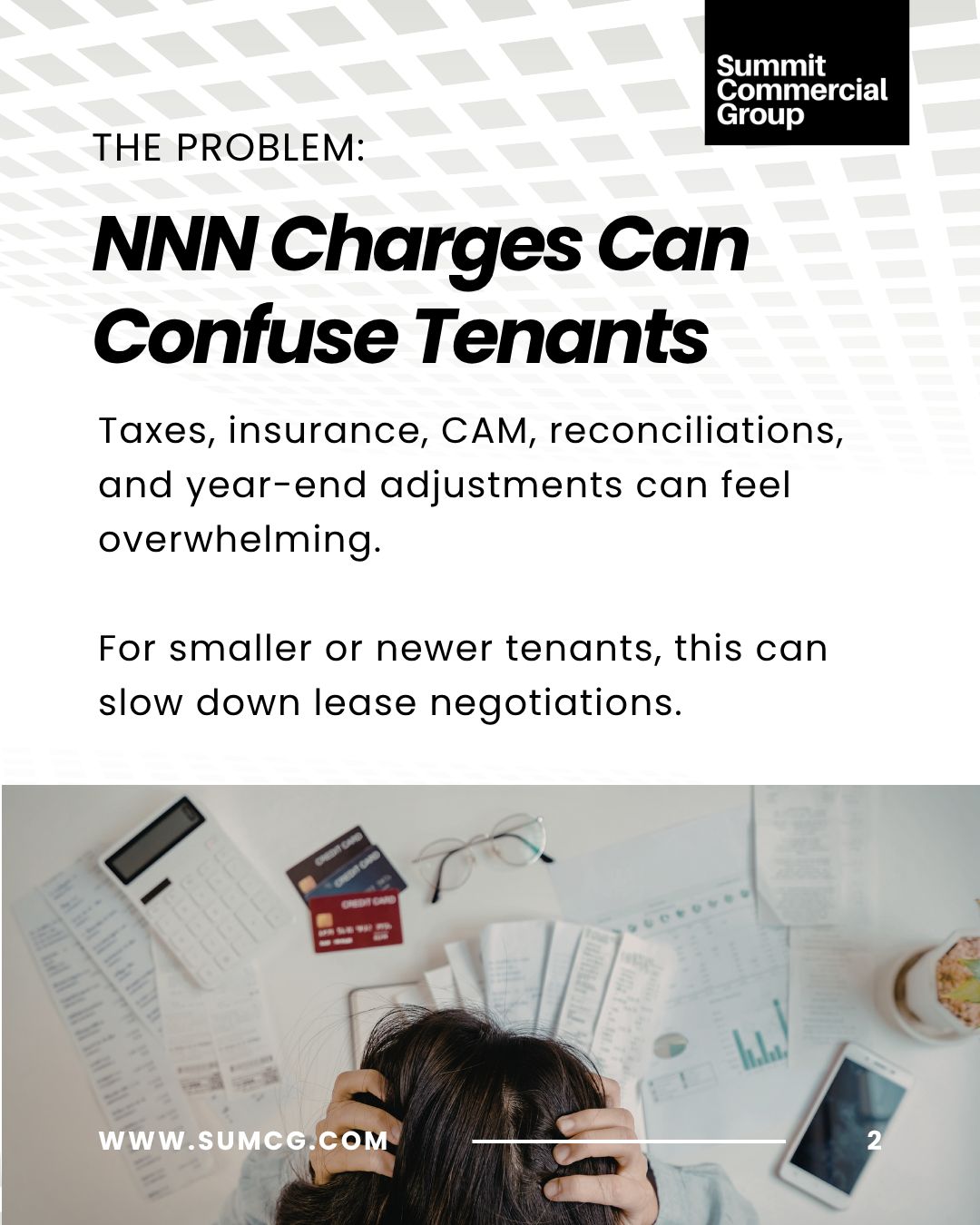
In a traditional NNN lease, the tenant usually pays rent plus their share of taxes, insurance, CAM, and other operating expenses.
That can work well, but for newer tenants or smaller businesses, it can also feel overwhelming.
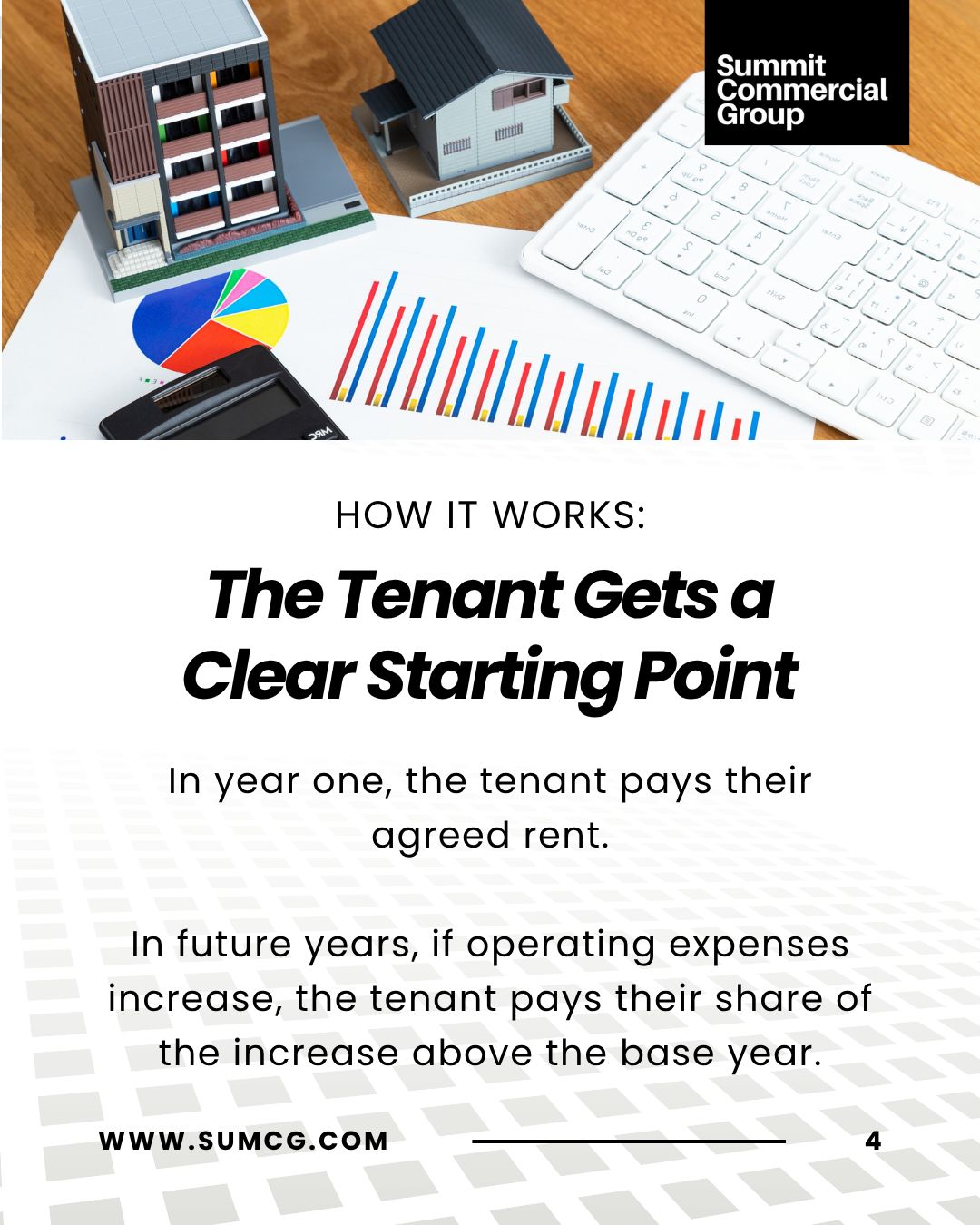
A base year structure can make the deal easier to understand.
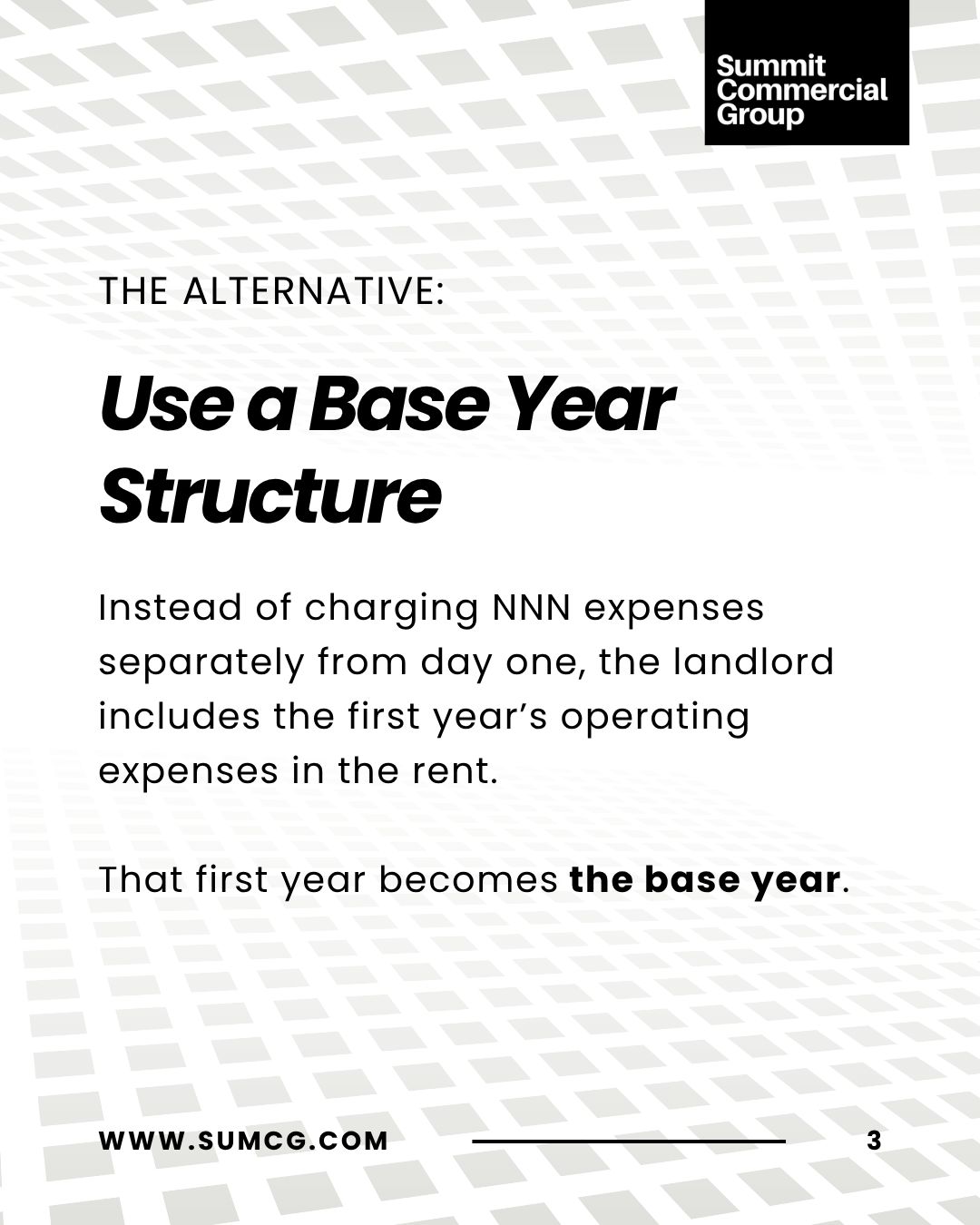
Instead of charging estimated NNN expenses separately from day one, the landlord builds the first year’s operating expenses into the rent.
That first year becomes the base year.
Then, in future years, if operating expenses increase, the tenant only pays their proportionate share of the increase above the base year.
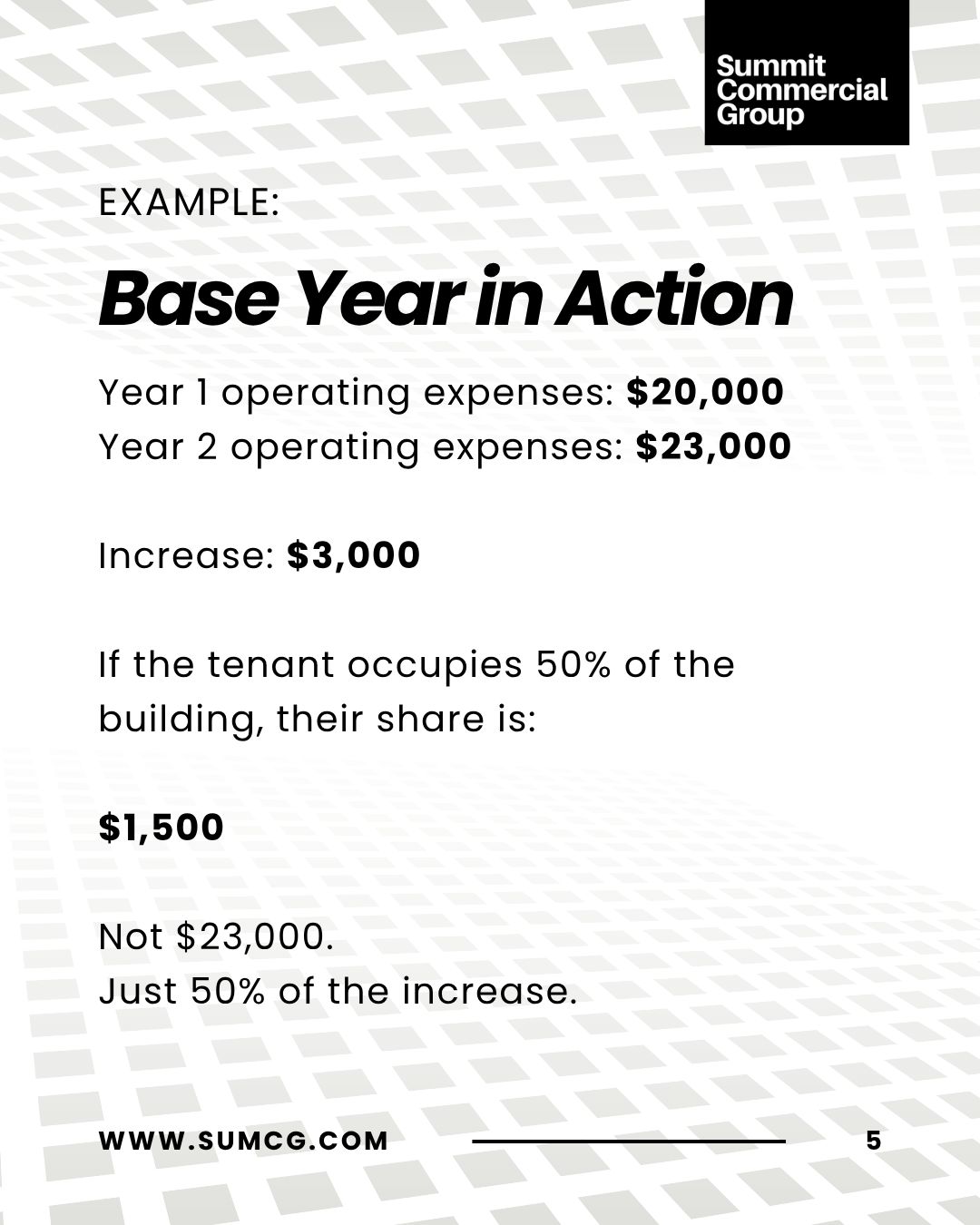
Example:
Year 1 operating expenses: $20,000
Year 2 operating expenses: $23,000
Increase: $3,000
If the tenant occupies 50% of the building, their share is $1,500.
Not $23,000.
Just 50% of the increase.
This can help tenants feel more comfortable because they have a clearer starting cost and fewer surprises upfront.
It also still protects the landlord if taxes, insurance, CAM, or maintenance costs rise over time.
The goal isn’t just to protect one side.
The goal is to create a lease structure that both parties actually understand.
Clearer terms can lead to:
✅ Easier negotiations
✅ Fewer disputes
✅ Better tenant relationships
✅ Stronger long-term deals
In commercial real estate, the lease structure matters just as much as the rent number.
If you need help evaluating or structuring a commercial lease, reach out.
Raphael Collazo
Summit Commercial Group
502-536-7315
[email protected]
www.sumcg.com
#commerciallease #realestate #propertymanagement #commercialproperty #businesslease
One structure I like using in certain deals is a base year lease.
Here’s why:
In a traditional NNN lease, the tenant usually pays rent plus their share of taxes, insurance, CAM, and other operating expenses.
That can work well, but for newer tenants or smaller businesses, it can also feel overwhelming.
A base year structure can make the deal easier to understand.
Instead of charging estimated NNN expenses separately from day one, the landlord builds the first year’s operating expenses into the rent.
That first year becomes the base year.
Then, in future years, if operating expenses increase, the tenant only pays their proportionate share of the increase above the base year.
Example:
Year 1 operating expenses: $20,000
Year 2 operating expenses: $23,000
Increase: $3,000
If the tenant occupies 50% of the building, their share is $1,500.
Not $23,000.
Just 50% of the increase.
This can help tenants feel more comfortable because they have a clearer starting cost and fewer surprises upfront.
It also still protects the landlord if taxes, insurance, CAM, or maintenance costs rise over time.
The goal isn’t just to protect one side.
The goal is to create a lease structure that both parties actually understand.
Clearer terms can lead to:
✅ Easier negotiations
✅ Fewer disputes
✅ Better tenant relationships
✅ Stronger long-term deals
In commercial real estate, the lease structure matters just as much as the rent number.
If you need help evaluating or structuring a commercial lease, reach out.
Raphael Collazo
Summit Commercial Group
502-536-7315
[email protected]
www.sumcg.com
#commerciallease #realestate #propertymanagement #commercialproperty #businesslease
Shared byElliot Chen - 12 days ago
Log in to comment
Loading ..
Related Articles

Discover Adaptive Reuse: Phoenix Place Hub's Community-Driven Transformation

Navigating Rising Construction Costs in Commercial Real Estate

Balancing Parenthood and Brokerage: Essential Skills for Success
Navigating the Emotional Rollercoaster of Commercial Real Estate Brokerage
Exploring Commercial Real Estate: Multifamily, Retail, Industrial, and Office Insights
Navigating the Post-COVID Office Market Shift: Quality Over Quantity
0/100