The Costly Oversight of Supplier Material Traceability in Defence and Aerospace

A $40 million aircraft was grounded 6 hours before a critical mission. The maintenance crew traced the problem back to a single aluminium extrusion.
The part had cleared visual inspection. It looked perfect. No visible cracks, no obvious damage, nothing that would raise a flag on a routine check.
But when investigators pulled the production records from the supplier, the real problem showed up.
No material traceability logs. No stage-by-stage inspection data. No documentation linking the alloy grade to the actual billet used. The part had been made. It just could not be proved.
And in defence and aerospace, "it looked fine" is not a quality standard. It is a liability.
This is the conversation most procurement teams are not having when they approve an aluminium extrusion supplier.
They check the price. They check the lead time. Some even ask for a quality certificate. But they stop short of the questions that actually matter:
→ Can your supplier show full material traceability for every lot?
→ Do they inspect at each production stage, or only at the end?
→ Are their certifications (AS9100, NADCAP) tied to the specific processes making your part?
→ Can they hand you a test report linked to the exact batch you're buying?
These are not hard questions. But most suppliers stumble on at least one of them.
The aircraft in this story eventually flew again. After a 6-week investigation, close to $800,000 in rework and replacement costs, and a programme review that nobody in that room wants to repeat.
The supplier lost the contract. Permanently.
Zero-error manufacturing in defence and aerospace is not a tagline. It is a documented, traceable, repeatable process that holds up under the worst kind of scrutiny.
The question worth asking before you sign your next purchase order is not "can they make the part?"
It is "can they prove it?"
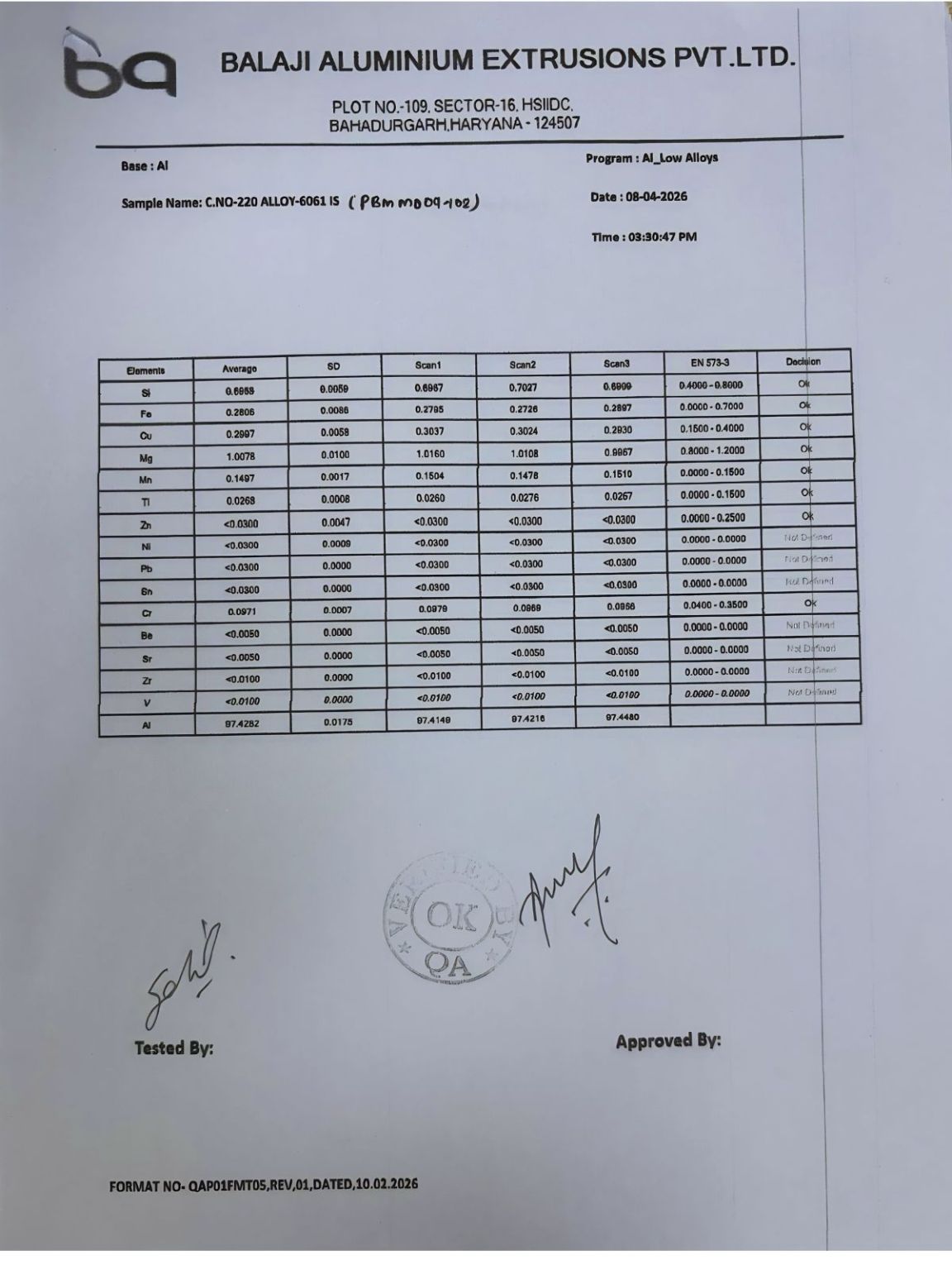
"This is what proper documentation looks like."👇
#material traceability #defence aerospace #quality assurance #supplier inspection #AS9100 certification
The part had cleared visual inspection. It looked perfect. No visible cracks, no obvious damage, nothing that would raise a flag on a routine check.
But when investigators pulled the production records from the supplier, the real problem showed up.
No material traceability logs. No stage-by-stage inspection data. No documentation linking the alloy grade to the actual billet used. The part had been made. It just could not be proved.
And in defence and aerospace, "it looked fine" is not a quality standard. It is a liability.
This is the conversation most procurement teams are not having when they approve an aluminium extrusion supplier.
They check the price. They check the lead time. Some even ask for a quality certificate. But they stop short of the questions that actually matter:
→ Can your supplier show full material traceability for every lot?
→ Do they inspect at each production stage, or only at the end?
→ Are their certifications (AS9100, NADCAP) tied to the specific processes making your part?
→ Can they hand you a test report linked to the exact batch you're buying?
These are not hard questions. But most suppliers stumble on at least one of them.
The aircraft in this story eventually flew again. After a 6-week investigation, close to $800,000 in rework and replacement costs, and a programme review that nobody in that room wants to repeat.
The supplier lost the contract. Permanently.
Zero-error manufacturing in defence and aerospace is not a tagline. It is a documented, traceable, repeatable process that holds up under the worst kind of scrutiny.
The question worth asking before you sign your next purchase order is not "can they make the part?"
It is "can they prove it?"
"This is what proper documentation looks like."👇
#material traceability #defence aerospace #quality assurance #supplier inspection #AS9100 certification
Shared byQuinn Raman - A month ago
Log in to comment
Loading ..
Related Articles
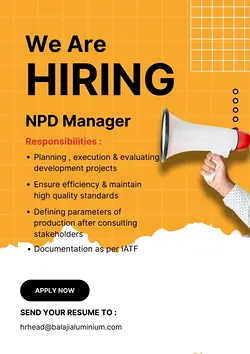
Join Balaji Aluminium: Hiring Experienced NPD Manager for Dynamic Team

Thermal Management in LED Lighting: Why Aluminium Profiles Matter
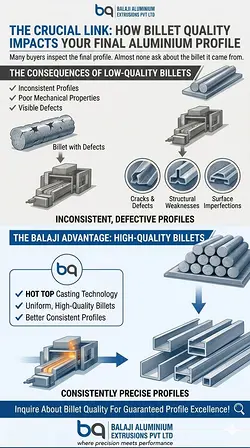
The Hidden Impact of Billet Quality on Aluminium Profiles
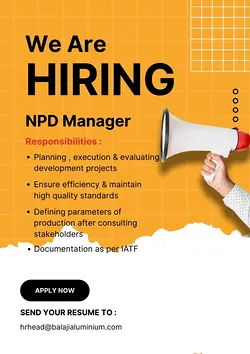
Join Balaji Aluminium as an NPD Manager: Apply Now for New Product Development Role
Join Our Team: Exciting NPD Manager Opportunity at Balaji Aluminium

Advanced Aluminium Extrusion Design and Engineering Excellence
9
0/100