What the Strait of Hormuz tensions mean for European energy security
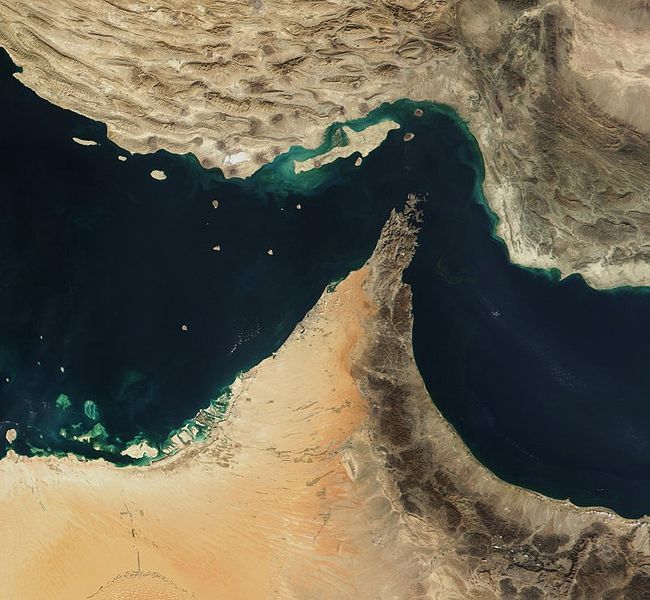
Escalating tensions around the Strait of Hormuz have once again exposed a structural vulnerability in global energy markets.
A significant share of the world’s oil and LNG transits through this narrow corridor. Even limited disruption immediately affects prices, insurance costs and shipping routes. Europe feels the impact within days.
This is not a temporary shock. It is a reminder.
Europe remains structurally exposed to fossil fuel supply chains that it does not control. Geography and geopolitics shape availability and price. Markets react before policymakers can.
Energy security can no longer rely on diversification of fossil imports alone. It requires structural reduction of exposure.
Renewables play a central role. Every additional gigawatt of domestic wind and solar reduces dependence on imported fuels. This is not only climate policy. It is security policy.
But generation alone is not sufficient.
Without scalable and sustainable storage, renewables cannot provide the system stability required during supply shocks. Batteries, hydrogen, thermal storage and grid flexibility are strategic buffers. They allow Europe to manage volatility without reverting to emergency fossil purchases.
The current situation should accelerate three priorities:
• Faster permitting for renewables and storage projects
• Targeted EU funding for storage and grid resilience
• Strategic industrial policy to strengthen European clean-tech supply chains
Energy autonomy does not mean isolation. It means resilience.
Geopolitical risk is rising, not declining. Europe’s response must be structural, not reactive.
At CLERENS, we support organisations navigating this transition: aligning energy security, climate ambition and industrial competitiveness within the EU policy framework.
The question is no longer whether to accelerate the transition.
It is whether Europe can afford not to.
Escalating tensions around the Strait of Hormuz have once again exposed a structural vulnerability in global energy markets.
A significant share of the world’s oil and LNG transits through this narrow corridor. Even limited disruption immediately affects prices, insurance costs and shipping routes. Europe feels the impact within days.
This is not a temporary shock. It is a reminder.
Europe remains structurally exposed to fossil fuel supply chains that it does not control. Geography and geopolitics shape availability and price. Markets react before policymakers can.
Energy security can no longer rely on diversification of fossil imports alone. It requires structural reduction of exposure.
Renewables play a central role. Every additional gigawatt of domestic wind and solar reduces dependence on imported fuels. This is not only climate policy. It is security policy.
But generation alone is not sufficient.
Without scalable and sustainable storage, renewables cannot provide the system stability required during supply shocks. Batteries, hydrogen, thermal storage and grid flexibility are strategic buffers. They allow Europe to manage volatility without reverting to emergency fossil purchases.
The current situation should accelerate three priorities:
• Faster permitting for renewables and storage projects
• Targeted EU funding for storage and grid resilience
• Strategic industrial policy to strengthen European clean-tech supply chains
Energy autonomy does not mean isolation. It means resilience.
Geopolitical risk is rising, not declining. Europe’s response must be structural, not reactive.
At CLERENS, we support organisations navigating this transition: aligning energy security, climate ambition and industrial competitiveness within the EU policy framework.
The question is no longer whether to accelerate the transition.
It is whether Europe can afford not to.
Shared byKai Singh - 3 months ago
Log in to comment
Loading ..
Related Articles

Startups & Investors Forum Europe: Battery Tech Innovation Matching Event
Discover How ESWET Can Transform Your Business in Exclusive Interview
Day 1 Kicks Off at Battery 2030+ Annual Conference in Turin
Navigating EU Policy Changes for Business Success

EU's New '28th Regime' Simplifies Corporate Rules for European Expansion
Prepare Early for LIFE 2026: Maximize Funding Opportunities Now
11
0/100