
Criticism can hurt, even when it’s well-intended.
But emotionally intelligent leaders respond
differently, despite the sting.
They don’t ignore it.
They don’t shut down.
They don’t let it knock them off track.
Instead...
✅They pause.
✅They reflect.
✅They respond with compassion and care.
Here are 8 ways you can too:
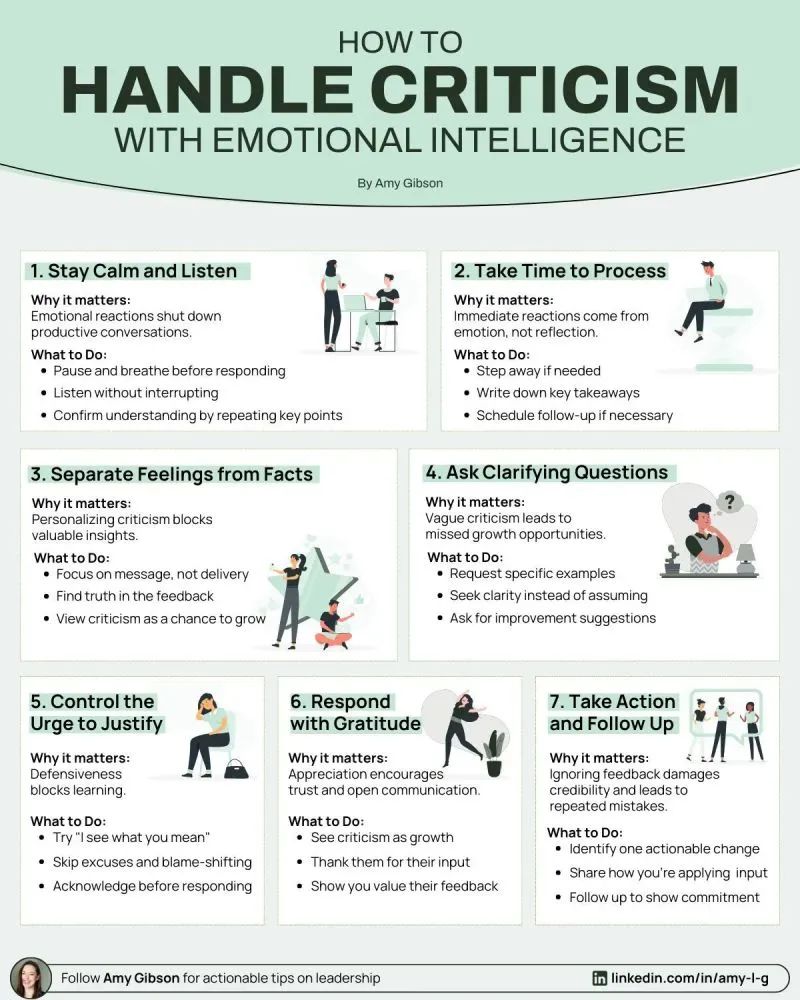
1. Stay Calm and Listen
• Take a breath before reacting.
• Listen to understand, not to defend.
• Reflect back what you heard to show respect.
2. Take Time to Process
• Emotions need space to settle.
• Write down key points before responding.
• Ask for time to reflect before moving forward.
3. Separate Feelings from Facts
• Acknowledge the sting without making it personal.
• Ask yourself, “What part of this could help me grow?”
• View feedback as insight, not identity.
4. Ask Clarifying Questions
• Vague feedback limits learning.
• Ask for examples to deepen understanding.
• Clarify the intent before reacting to the tone.
5. Control the Urge to Justify
• Pause the instinct to explain.
• Start with empathy, not excuses.
• Make space for the other person’s perspective.
6. Respond with Gratitude
• Recognize the courage it takes to give feedback.
• Say thank you, even when it’s hard to hear.
• Let appreciation set the tone for future conversations.
7. Take Action and Follow Up
• Identify one shift you can make.
• Share how you’re applying what you’ve heard.
• Follow up to show integrity and commitment.
Criticism will never feel easy.
But when met with emotional intelligence,
it becomes a bridge to deeper trust.
After all, leadership isn’t about being right.
It’s about being willing to learn.
♻️ If this resonates, repost for your network.
📌 Follow Amy Gibson for more leadership insights.
But emotionally intelligent leaders respond
differently, despite the sting.
They don’t ignore it.
They don’t shut down.
They don’t let it knock them off track.
Instead...
✅They pause.
✅They reflect.
✅They respond with compassion and care.
Here are 8 ways you can too:
1. Stay Calm and Listen
• Take a breath before reacting.
• Listen to understand, not to defend.
• Reflect back what you heard to show respect.
2. Take Time to Process
• Emotions need space to settle.
• Write down key points before responding.
• Ask for time to reflect before moving forward.
3. Separate Feelings from Facts
• Acknowledge the sting without making it personal.
• Ask yourself, “What part of this could help me grow?”
• View feedback as insight, not identity.
4. Ask Clarifying Questions
• Vague feedback limits learning.
• Ask for examples to deepen understanding.
• Clarify the intent before reacting to the tone.
5. Control the Urge to Justify
• Pause the instinct to explain.
• Start with empathy, not excuses.
• Make space for the other person’s perspective.
6. Respond with Gratitude
• Recognize the courage it takes to give feedback.
• Say thank you, even when it’s hard to hear.
• Let appreciation set the tone for future conversations.
7. Take Action and Follow Up
• Identify one shift you can make.
• Share how you’re applying what you’ve heard.
• Follow up to show integrity and commitment.
Criticism will never feel easy.
But when met with emotional intelligence,
it becomes a bridge to deeper trust.
After all, leadership isn’t about being right.
It’s about being willing to learn.
♻️ If this resonates, repost for your network.
📌 Follow Amy Gibson for more leadership insights.
Shared byJules Reyes - 7 days ago
Log in to comment
Loading ..
Related Articles
Creating High-Performance Cultures: The Importance of Truth and Tension in Leadership
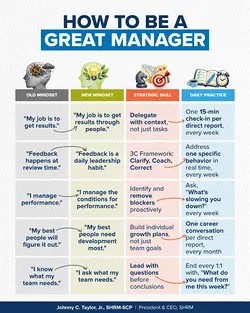
Transforming from Manager to Leader: Empowering Your Team for Success

Leading with Respect: The True Measure of Leadership
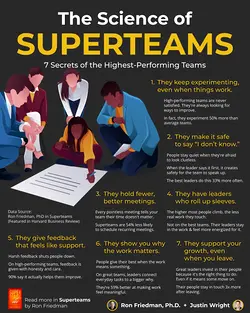
Unlock Team Success: Data-Driven Insights from Ron Friedman's 'Superteams'
Transforming Workplace Culture: The Power of Kindness in Leadership
Choosing the Right API Type for Your Project: A Comprehensive Guide
1088
0/100