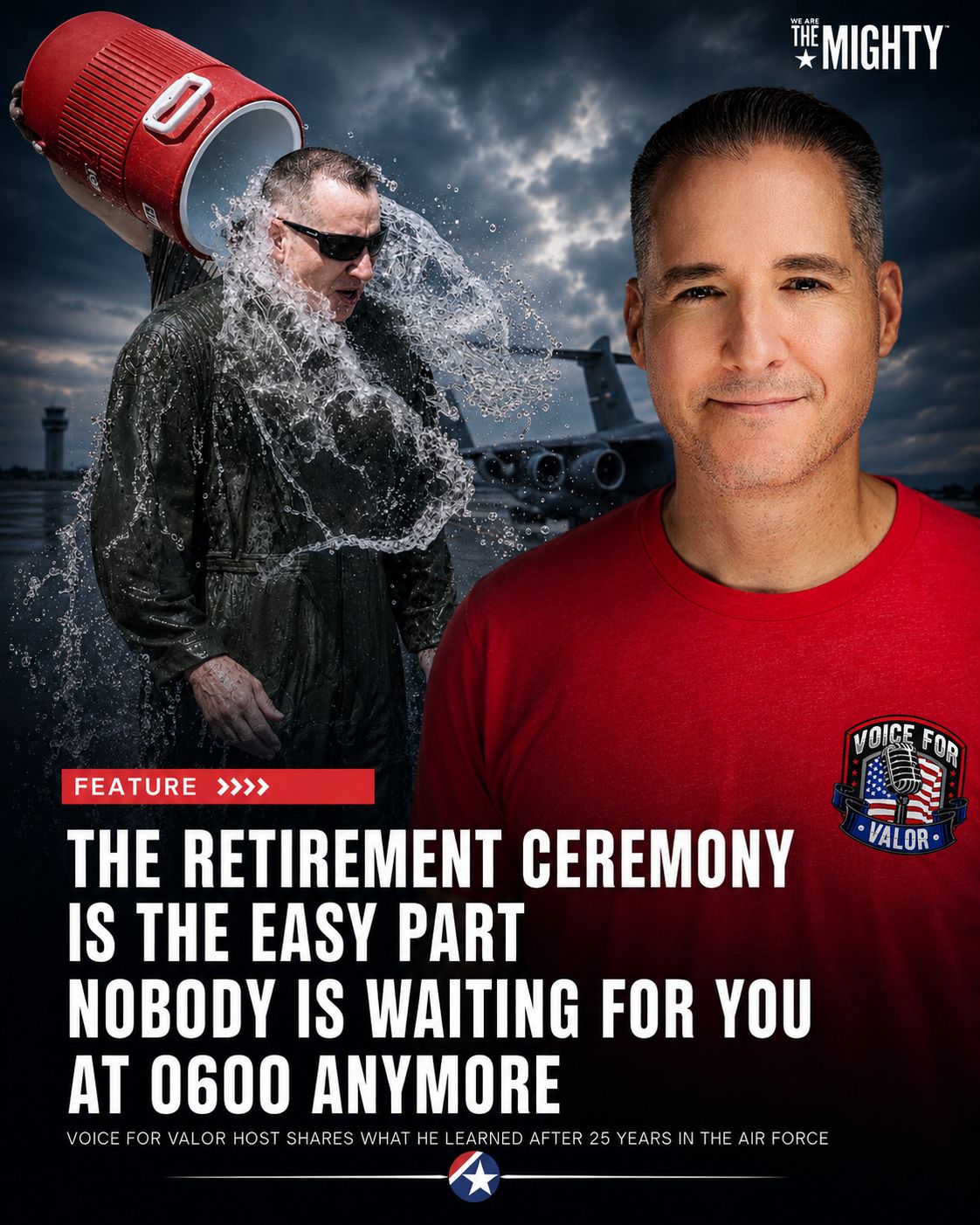

The retirement ceremony is the easy part. The flag is folded, the speeches are kind, the family takes pictures, and the Air Force band plays a song that gets every fist in the room in the air for one last “GIVE ‘EM THE GUN!” Then you go home. And on Monday morning, for the first time in your adult life, nobody is waiting for you at 0600.
That’s when the real transition begins; when most of us discover that the leadership we were so good at—the version that worked in a briefing room, on a ramp, in a command post—doesn’t always travel.
LESSON 1: THE CHAIN OF COMMAND IS A POLITE FICTION
The military taught me to brief the senior officer in the room. Civilian life taught me to find the legislative aide who actually drafts the bill, the procurement specialist who reads the contract, the staff director who sets the agenda. Title is decoration. Influence is plumbing. Track the plumbing.
LESSON 2: SPEED IS NOT A SUBSTITUTE FOR TRUST
The Air Force trained me to make a decision with 70% of the information and execute. In a fast jet, hesitation kills. In an operations center, a slow decision is a wrong decision.
Civilian leadership runs on a different clock. Speed without trust is reckless. Speed without relationship is an ambush.
LESSON 3: THE MISSION BRIEF IS REAL, THE MISSION IS DIFFERENT
In civilian leadership (and especially in legislative work) the brief is real, but the mission keeps moving. A bill changes between markup and floor. A funding line gets added in conference.
The leadership skill that scales isn’t decisiveness. It’s patience under ambiguity, paired with the discipline to keep moving anyway.
LESSON FOUR: THE BEST VETERANS I KNOW LEAD QUIETLY
The cliché image of the veteran-in-civilian-life is the loud one: the war story, the chest-pinned ego, the alpha at the boardroom table. The reality, in my experience, is the opposite. The best veteran leaders I have met since I retired are the quiet ones. They listen first, name the problem precisely, and then go to work.
WHAT DOES TRANSLATE
Three things travel cleanly from the cockpit to the civilian world, and they’re worth naming:
1. The pre-flight habit: Walk around the airplane. Read the checklist. Verify the obvious.
2. The debrief: The military gave us the gift of the after-action review. Most civilian organizations don’t have one. Bring it with you.
3. Take care of the people first: Mission focus without people focus is just exhaustion. Every commander I respected led from this premise. Every civilian leader worth working for does the same.
WHAT THIS MEANS FOR VETERANS
If you’re transitioning: The leadership you trained for is real. Some of it scales beautifully. Some of it has to be retrained. Be patient with yourself for the first eighteen months; it’s the most vulnerable stretch you’ll have.
Full story by Michael Komorous found in the comments.
#VeteranTransition #MilitaryLeadership #Veterans #MilitaryCommunity
That’s when the real transition begins; when most of us discover that the leadership we were so good at—the version that worked in a briefing room, on a ramp, in a command post—doesn’t always travel.
LESSON 1: THE CHAIN OF COMMAND IS A POLITE FICTION
The military taught me to brief the senior officer in the room. Civilian life taught me to find the legislative aide who actually drafts the bill, the procurement specialist who reads the contract, the staff director who sets the agenda. Title is decoration. Influence is plumbing. Track the plumbing.
LESSON 2: SPEED IS NOT A SUBSTITUTE FOR TRUST
The Air Force trained me to make a decision with 70% of the information and execute. In a fast jet, hesitation kills. In an operations center, a slow decision is a wrong decision.
Civilian leadership runs on a different clock. Speed without trust is reckless. Speed without relationship is an ambush.
LESSON 3: THE MISSION BRIEF IS REAL, THE MISSION IS DIFFERENT
In civilian leadership (and especially in legislative work) the brief is real, but the mission keeps moving. A bill changes between markup and floor. A funding line gets added in conference.
The leadership skill that scales isn’t decisiveness. It’s patience under ambiguity, paired with the discipline to keep moving anyway.
LESSON FOUR: THE BEST VETERANS I KNOW LEAD QUIETLY
The cliché image of the veteran-in-civilian-life is the loud one: the war story, the chest-pinned ego, the alpha at the boardroom table. The reality, in my experience, is the opposite. The best veteran leaders I have met since I retired are the quiet ones. They listen first, name the problem precisely, and then go to work.
WHAT DOES TRANSLATE
Three things travel cleanly from the cockpit to the civilian world, and they’re worth naming:
1. The pre-flight habit: Walk around the airplane. Read the checklist. Verify the obvious.
2. The debrief: The military gave us the gift of the after-action review. Most civilian organizations don’t have one. Bring it with you.
3. Take care of the people first: Mission focus without people focus is just exhaustion. Every commander I respected led from this premise. Every civilian leader worth working for does the same.
WHAT THIS MEANS FOR VETERANS
If you’re transitioning: The leadership you trained for is real. Some of it scales beautifully. Some of it has to be retrained. Be patient with yourself for the first eighteen months; it’s the most vulnerable stretch you’ll have.
Full story by Michael Komorous found in the comments.
#VeteranTransition #MilitaryLeadership #Veterans #MilitaryCommunity
Shared byRiley Tan - 12 days ago
Log in to comment
Loading ..
Related Articles
Unveiling the Real Story of Mike Vining: Vietnam War Hero and Delta Force Legend
Discover the Heroic Life of Jimmy Stewart in the New WWII Movie
Transparent Discussion with Ramón ‘CZ’ Colón-López at SOFWeek

Senate Bill to Increase Veterans' Disability Payments: What You Need to Know
Young Sailor's Bravery: Calvin Graham's WWII Journey
The Self-Made Genius: Percy Spencer's Journey from Navy Sailor to Microwave Inventor
5
0/100