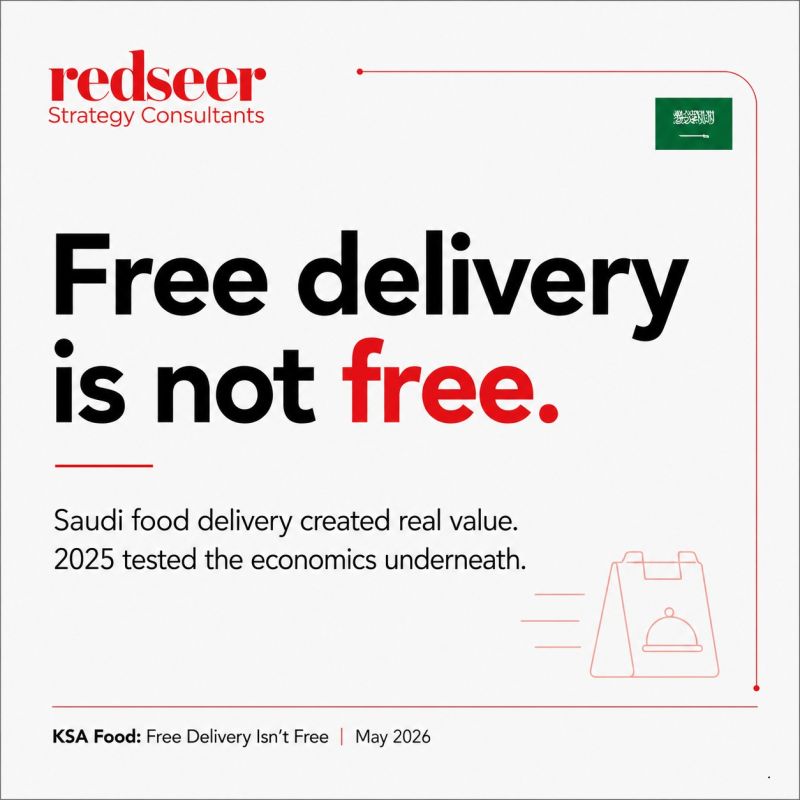

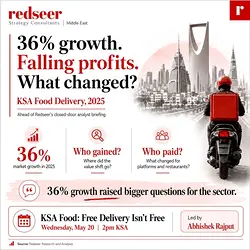
Free delivery is not free. That is the uncomfortable truth behind Saudi food delivery in 2025.
Food delivery in KSA has created real value. Consumers got more choice and convenience. Restaurants got reach beyond their physical footprint. Riders got livelihoods. Platforms built one of the most important consumer digital sectors in the Kingdom.
But 2025 tested the economics underneath. Competition intensified. Free delivery became normal. Discounts deepened. Consumer adoption accelerated.
But the cost did not disappear. It moved elsewhere in the ecosystem.
Our new Redseer report, KSA Food: Free Delivery Isn’t Free, looks at what happened.
My takeaways:
- This is not a broken market. It is a maturing market.
- The sector created an estimated SAR 4 Bn of incremental foodservice demand in 2024.
- In 2025, the ecosystem absorbed SAR 3.2 Bn of profitability impact as value shifted toward consumers.
- Independent restaurants were hit harder than chains. They had less bargaining power and less room to absorb promotions.
The next phase will not be won by who discounts the most. It will be won by who can keep consumers happy while building healthier economics for restaurants, riders, platforms and the broader ecosystem.
The March 2025 GAC guidelines should be seen in that context. Not as a brake on growth. But as a signal that the market is entering its next phase.
The best chapter of Saudi food delivery is not behind us. But the industry now has to move from subsidy intensity to sustainable value creation.
Report link in comments.
#SaudiFoodDelivery #FoodServiceEconomy #MarketInsights #RetailTrends #FutureOfFood
Food delivery in KSA has created real value. Consumers got more choice and convenience. Restaurants got reach beyond their physical footprint. Riders got livelihoods. Platforms built one of the most important consumer digital sectors in the Kingdom.
But 2025 tested the economics underneath. Competition intensified. Free delivery became normal. Discounts deepened. Consumer adoption accelerated.
But the cost did not disappear. It moved elsewhere in the ecosystem.
Our new Redseer report, KSA Food: Free Delivery Isn’t Free, looks at what happened.
My takeaways:
- This is not a broken market. It is a maturing market.
- The sector created an estimated SAR 4 Bn of incremental foodservice demand in 2024.
- In 2025, the ecosystem absorbed SAR 3.2 Bn of profitability impact as value shifted toward consumers.
- Independent restaurants were hit harder than chains. They had less bargaining power and less room to absorb promotions.
The next phase will not be won by who discounts the most. It will be won by who can keep consumers happy while building healthier economics for restaurants, riders, platforms and the broader ecosystem.
The March 2025 GAC guidelines should be seen in that context. Not as a brake on growth. But as a signal that the market is entering its next phase.
The best chapter of Saudi food delivery is not behind us. But the industry now has to move from subsidy intensity to sustainable value creation.
Report link in comments.
#SaudiFoodDelivery #FoodServiceEconomy #MarketInsights #RetailTrends #FutureOfFood
Shared byJamie Diaz - 10 days ago
Log in to comment
Loading ..
Related Articles
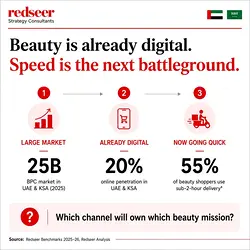
Rethinking Beauty Retail in UAE & KSA: Sub-2-Hour Delivery Impacts
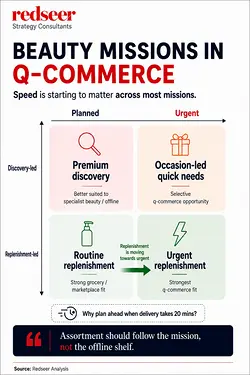
Revolutionize Beauty Purchases with Quick Commerce in 20 Minutes
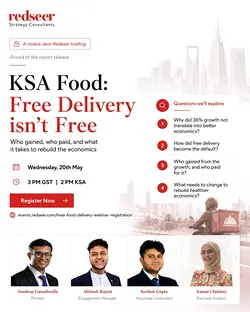
Exploring the Future of Saudi Food Delivery: Value Capture and Sustainable Models
Sarwa Surpasses $1B in Client Assets: A Signal for Gulf WealthTech Evolution
Understanding the Shift in UAE Consumer Spending: Dine-in vs Delivery Trends
Understanding the Economic Shifts in KSA's Food Delivery Sector: Insights from Redseer Report
10
0/100