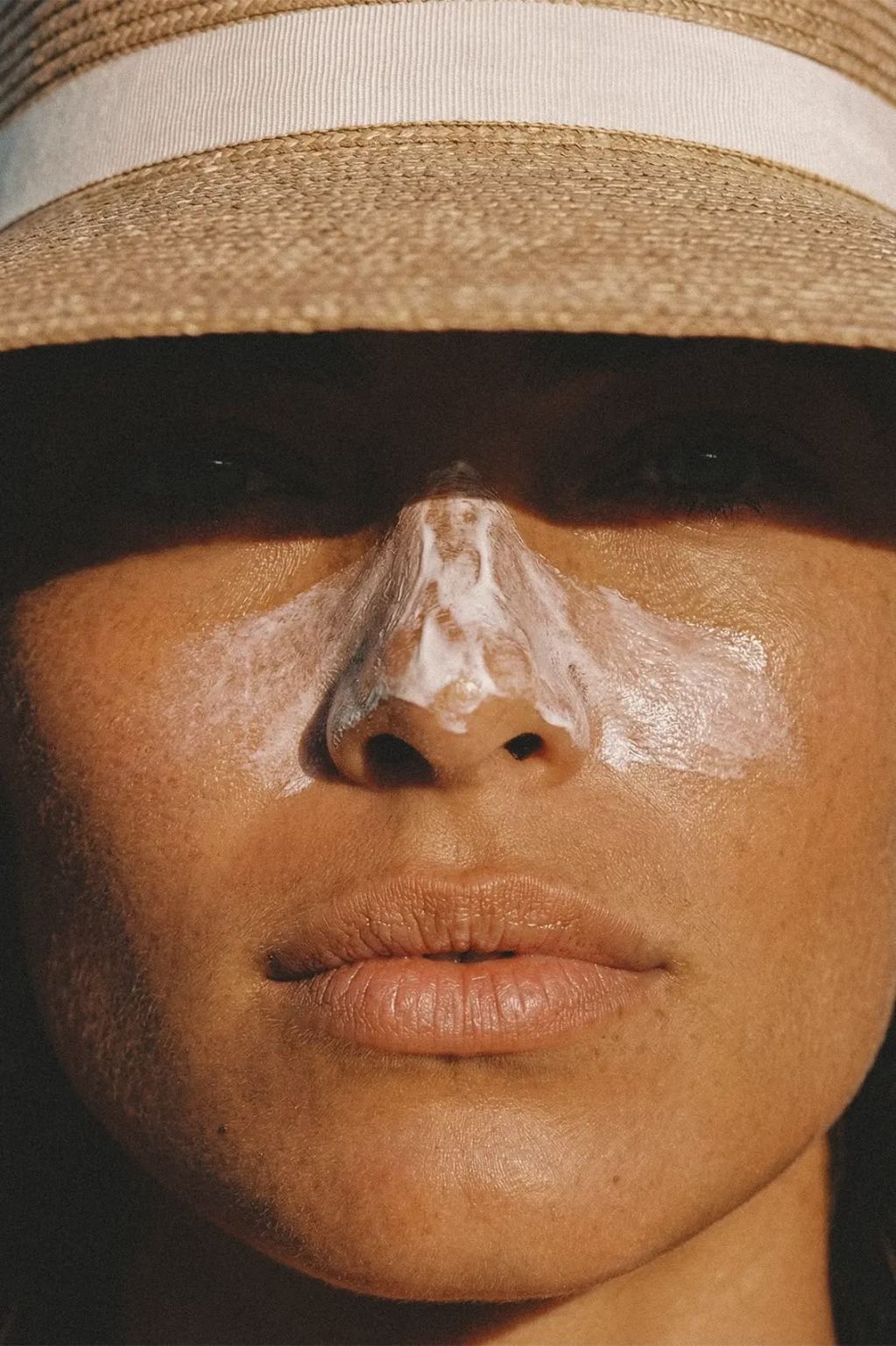
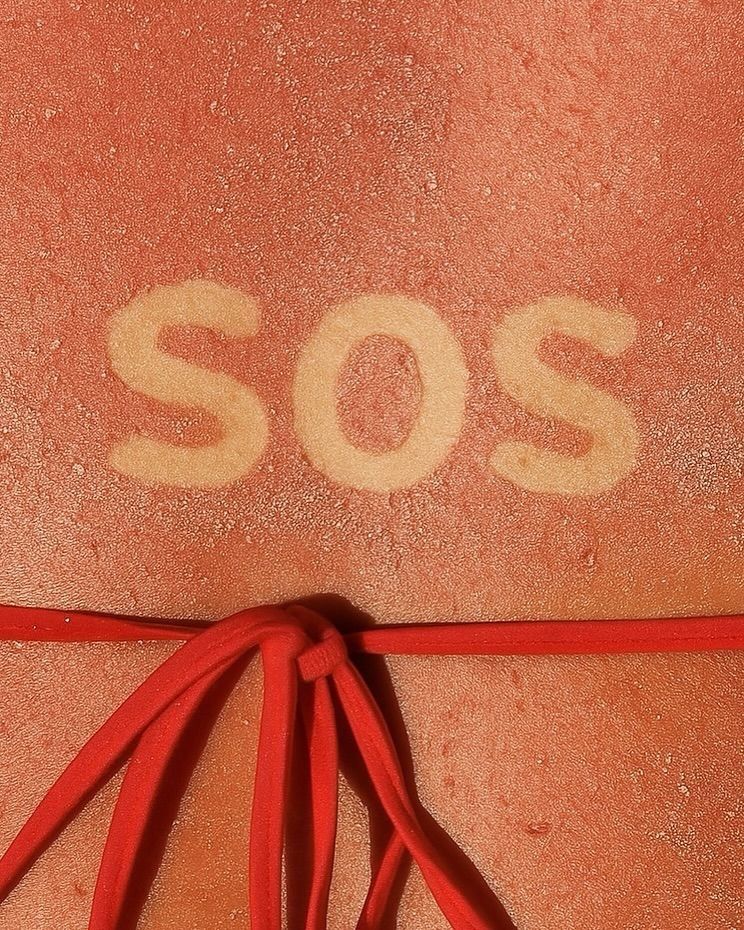
US sunscreen is 26 years and $250M behind.
The US hasn’t approved a new sunscreen filter since 1999. Korean brands built a $250M business on one that Americans legally cannot use.
Every clean beauty brand launched an SPF in 2022. Mineral only. White cast included. Because that’s all the FDA allows.
Meanwhile, Beauty of Joseon grew from $83,000 to ~$250M on a sunscreen – built on filters US brands cannot replicate.
How? Why? Because the filter gap is real and it’s been compounding for 26 years.
_The FDA has approved 16 UV filters. The EU has approved ~30. Filters like Tinosorb S, Tinosorb M, and Uvinul A Plus have been legal in Europe since 2000 – and have never been approved in the US.
_Beauty of Joseon’s Relief Sun drives 35% of total brand revenue. Its entire texture advantage is filter-dependent.
_On December 11, 2025, the FDA proposed adding bemotrizinol – the first new US sunscreen active since 1999. Final order expected summer/fall 2026. dsm-firmenich gets 18 months of exclusivity. Consumer availability: late 2027 at the earliest.
But the filter gap is closing – and the brands that built on the gap have 18 months to defend before American competitors catch up.
_Beauty of Joseon, Round Lab Australia, and COSRX all have US SEPHORA distribution. They arrived first. They own the consumer trust.
_When bemotrizinol clears in late 2027, every US brand will launch a “next-generation SPF.” Most of them will be late.
_And tariffs on Korean manufacturing jumped to 20%+ in 2025 – squeezing K-beauty’s margin at exactly the moment its category advantage is about to be competed away.
So the sunscreen category is the cleanest case study in beauty of what regulatory lag actually costs.
26 years of FDA inaction created a competitive moat for Korean brands – and a $250M business on a product American companies still can’t legally make.
Thoughts? Drop them below! 💭
#BeautyIndustry #Sunscreen #BeautyBusiness #KBeauty #BrandStrategy
The US hasn’t approved a new sunscreen filter since 1999. Korean brands built a $250M business on one that Americans legally cannot use.
Every clean beauty brand launched an SPF in 2022. Mineral only. White cast included. Because that’s all the FDA allows.
Meanwhile, Beauty of Joseon grew from $83,000 to ~$250M on a sunscreen – built on filters US brands cannot replicate.
How? Why? Because the filter gap is real and it’s been compounding for 26 years.
_The FDA has approved 16 UV filters. The EU has approved ~30. Filters like Tinosorb S, Tinosorb M, and Uvinul A Plus have been legal in Europe since 2000 – and have never been approved in the US.
_Beauty of Joseon’s Relief Sun drives 35% of total brand revenue. Its entire texture advantage is filter-dependent.
_On December 11, 2025, the FDA proposed adding bemotrizinol – the first new US sunscreen active since 1999. Final order expected summer/fall 2026. dsm-firmenich gets 18 months of exclusivity. Consumer availability: late 2027 at the earliest.
But the filter gap is closing – and the brands that built on the gap have 18 months to defend before American competitors catch up.
_Beauty of Joseon, Round Lab Australia, and COSRX all have US SEPHORA distribution. They arrived first. They own the consumer trust.
_When bemotrizinol clears in late 2027, every US brand will launch a “next-generation SPF.” Most of them will be late.
_And tariffs on Korean manufacturing jumped to 20%+ in 2025 – squeezing K-beauty’s margin at exactly the moment its category advantage is about to be competed away.
So the sunscreen category is the cleanest case study in beauty of what regulatory lag actually costs.
26 years of FDA inaction created a competitive moat for Korean brands – and a $250M business on a product American companies still can’t legally make.
Thoughts? Drop them below! 💭
#BeautyIndustry #Sunscreen #BeautyBusiness #KBeauty #BrandStrategy
Shared byAlex Kim - 4 days ago
Log in to comment
Loading ..
Related Articles

AI in Beauty: Winning Quietly Without Customer Awareness
Surprising Insights: Brands with Less Funding Built the Best Businesses
Revolutionizing Fragrance Discovery: The Future of Online Scent Sampling
Valuation Woes in the Beauty Industry: Analyzing Failed and Successful Acquisitions

Building Brands: The Journey of Obsession, Iteration, and Consistency
AI in Beauty: The Era of Quiet, Effective Use Has Begun
30
0/100