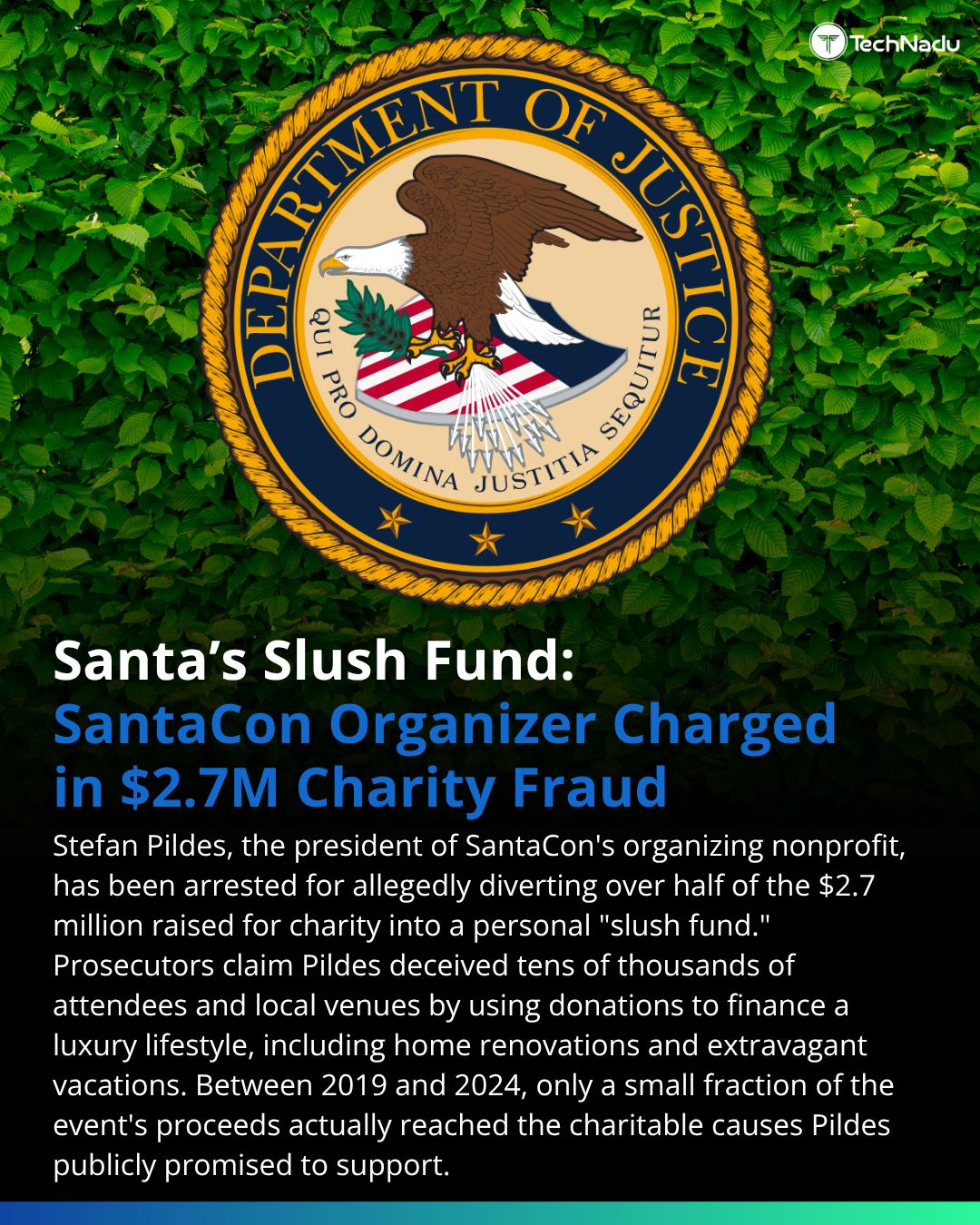

A “charity” event raising millions... but where did the money actually go?
A major fraud case has surfaced around SantaCon, where organizers allegedly diverted over $2.7M raised between 2019–2024 - with more than half funneled into personal accounts instead of charities.
Here’s what stands out:
• Funds marketed as “charitable donations” redirected into private entities
• Personal spending included luxury travel, property renovations, and high-end purchases
• Thousands of attendees and venues potentially misled
• Federal charges now filed, with up to 20 years in prison at stake
This case highlights a broader issue: trust exploitation at scale - when branding, community events, and “charity narratives” are weaponized for financial gain.
For cybersecurity, fraud, and compliance teams, this isn’t just financial crime - it’s a reminder of how social engineering extends beyond digital systems into real-world ecosystems.
What safeguards should exist for verifying “charity-backed” events? Should due diligence fall on platforms, partners, or participants?
Source: https://www.justice.gov/usao-sdny/pr/santacon-organizer-charged-wire-fraud-scheme-targeting-attendees-and-host-venues
👇 Share your thoughts.
👍 Like, 💬 comment, and 🔔 follow TechNadu for more deep dives into cybercrime, fraud, and digital trust.
#CyberSecurity #Fraud #WireFraud #CyberCrime #Compliance #RiskManagement #DigitalTrust #TechNadu #Infosec #ThreatIntelligence
A major fraud case has surfaced around SantaCon, where organizers allegedly diverted over $2.7M raised between 2019–2024 - with more than half funneled into personal accounts instead of charities.
Here’s what stands out:
• Funds marketed as “charitable donations” redirected into private entities
• Personal spending included luxury travel, property renovations, and high-end purchases
• Thousands of attendees and venues potentially misled
• Federal charges now filed, with up to 20 years in prison at stake
This case highlights a broader issue: trust exploitation at scale - when branding, community events, and “charity narratives” are weaponized for financial gain.
For cybersecurity, fraud, and compliance teams, this isn’t just financial crime - it’s a reminder of how social engineering extends beyond digital systems into real-world ecosystems.
What safeguards should exist for verifying “charity-backed” events? Should due diligence fall on platforms, partners, or participants?
Source: https://www.justice.gov/usao-sdny/pr/santacon-organizer-charged-wire-fraud-scheme-targeting-attendees-and-host-venues
👇 Share your thoughts.
👍 Like, 💬 comment, and 🔔 follow TechNadu for more deep dives into cybercrime, fraud, and digital trust.
#CyberSecurity #Fraud #WireFraud #CyberCrime #Compliance #RiskManagement #DigitalTrust #TechNadu #Infosec #ThreatIntelligence
Shared byQuinn Noor - 2 months ago
Log in to comment
Loading ..
Related Articles
AI-Driven Security Challenges: Context Collapse and Blind Spots in Bugcrowd's Insights
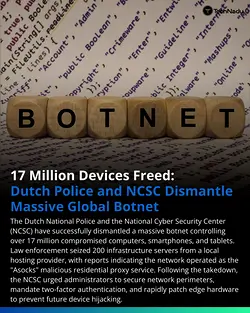
Massive Botnet Bust: 17 Million Devices Compromised and Seized
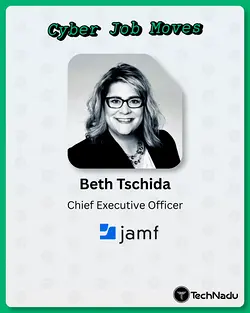
Beth Tschida Becomes Jamf's First Female CEO: A Decade of Innovation and Growth
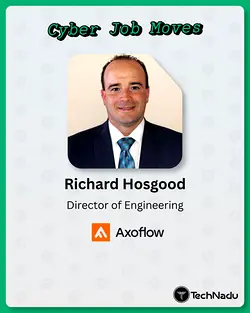
Richard Hosgood Joins Axoflow as Director of Engineering: A Deep Dive into His Security Expertise
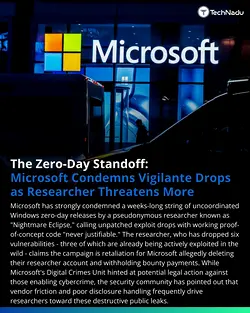
Microsoft vs. Security Researcher: The Zero-Day Disclosure Debate
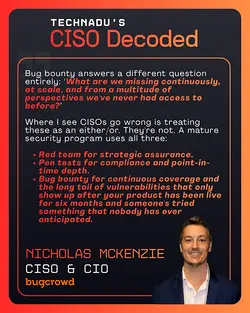
Rethinking Bug Bounty, Researcher Trust, and Vulnerability Management
0/100