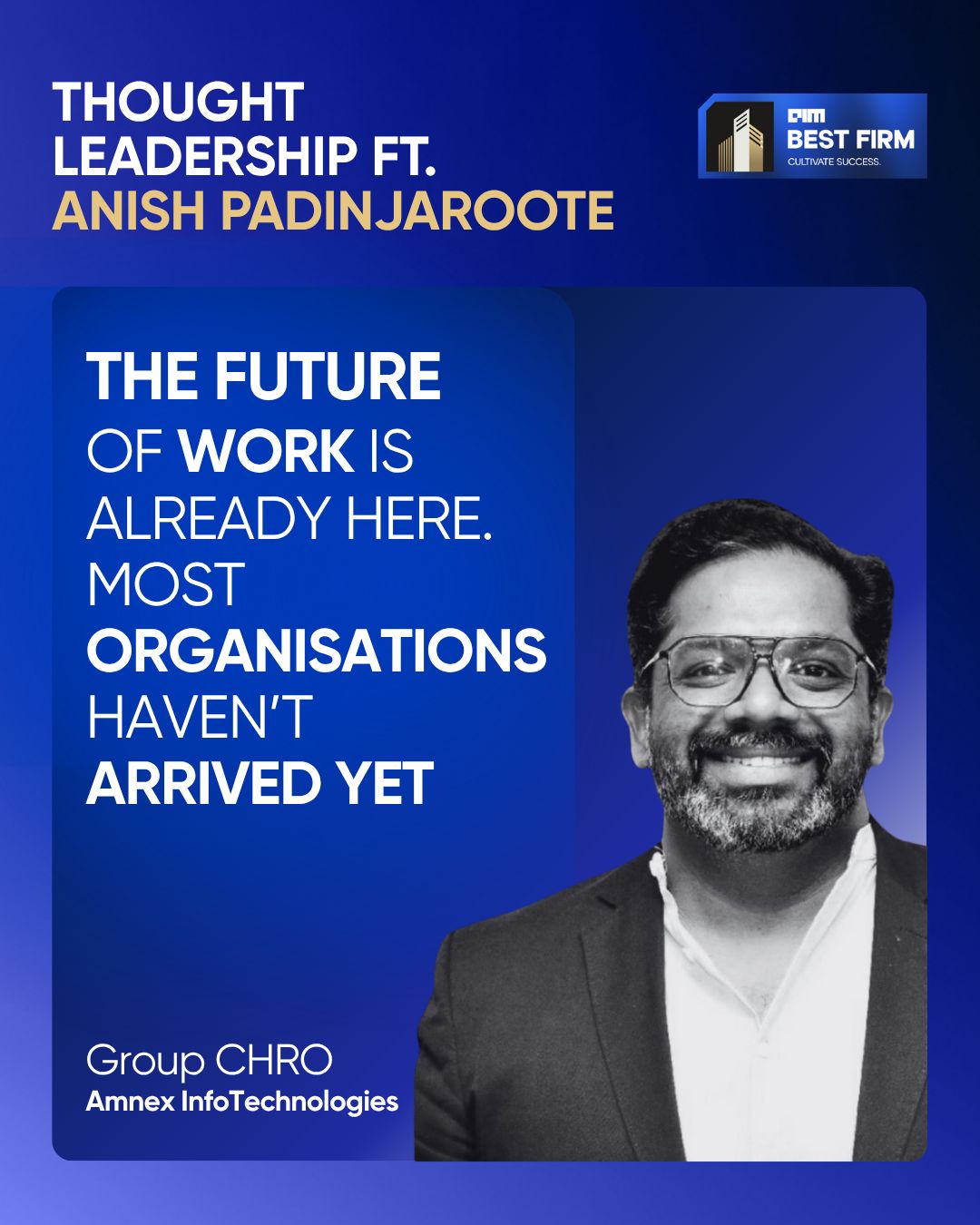

88% of organisations now use AI in at least one business function, yet only 1% have achieved true AI maturity, according to McKinsey & Company. In a new thought leadership piece, Anish Padinjaroote argues that this gap is not a technology problem but an organisational design crisis hiding in plain sight, with BCG's 2025 global study of C-level executives finding that only 5% of organisations have achieved substantial financial gains from AI.
Boston Consulting Group (BCG)'s analysis of hundreds of AI transformations found that only 10% of AI value comes from the algorithms themselves, with another 20% from technical infrastructure, and the remaining 70% coming entirely from how organisations redesign people, processes, and culture around the technology. Senior leaders at 35 global enterprises confirmed in research published by Harvard Business Review in early 2026 that the executives under the greatest pressure are not those struggling with technology selection, but those navigating the human terrain of AI transformation. The World Economic Forum's Future of Jobs Report 2025 projects that 170 million new roles will be created by 2030 while 92 million are displaced.
PwC's 2025 Global AI Jobs Barometer found that workers with AI skills command wage premiums 56% higher than peers without, up from 25% just one year prior, while Gartner estimates that through 2026, 20% of organisations will use AI to flatten their structures, eliminating more than half of current middle-management positions.
Read the full story:
#EnterpriseAI #FutureOfWork #AITransformation #Leadership #OrganisationalDesign
Boston Consulting Group (BCG)'s analysis of hundreds of AI transformations found that only 10% of AI value comes from the algorithms themselves, with another 20% from technical infrastructure, and the remaining 70% coming entirely from how organisations redesign people, processes, and culture around the technology. Senior leaders at 35 global enterprises confirmed in research published by Harvard Business Review in early 2026 that the executives under the greatest pressure are not those struggling with technology selection, but those navigating the human terrain of AI transformation. The World Economic Forum's Future of Jobs Report 2025 projects that 170 million new roles will be created by 2030 while 92 million are displaced.
PwC's 2025 Global AI Jobs Barometer found that workers with AI skills command wage premiums 56% higher than peers without, up from 25% just one year prior, while Gartner estimates that through 2026, 20% of organisations will use AI to flatten their structures, eliminating more than half of current middle-management positions.
Read the full story:
#EnterpriseAI #FutureOfWork #AITransformation #Leadership #OrganisationalDesign
Shared byMicah Ali - 9 days ago
Log in to comment
Loading ..
Related Articles

HRATN Mandates Biometric and Facial Recognition for Employee Attendance

Nestlé Establishes Global Capability Centre in Hyderabad, Strengthening Local Ecosystem

Cognite Recognized as Best Firm for Data Engineers by AIM

ClickUp Layoffs: CEO Zeb Evans Reveals AI-Driven Transition to '100x Organisation'

isolved Expands in India with New GCC in Hyderabad, Plans to Hire 400 by 2027

Cigna Appoints Anisha Vaz as Head of Human Resources for India
58
0/100