
During Mental Health Awareness Month, it’s an important reminder that those who care for others need support, too.
Working in health care is incredibly rewarding – but it also comes with unique challenges that can impact mental well-being. High-stress situations, emotional strain, and unexpected outcomes can take a toll on even the most resilient teams.
UPMC’s Critical Incident Stress Management (CISM) As Soon As Possible (ASAP) program is a colleague-to-colleague support initiative that offers 24/7, confidential support for staff affected by work-related events.
Jeff Magill of UPMC Western Psychiatric Hospital, manager of the CISM ASAP Staff Support Team, has led the development and oversight of this systemwide UPMC initiative for nearly a decade.
“Health care workers face significant mental health challenges due to the experiences they encounter,” says Mr. Magill. “These can lead to high levels of stress, anxiety, compassion fatigue, and burnout. The ‘second victim’ phenomenon is not unique to UPMC.”
He adds, “While working in health care is extremely rewarding, it also comes with challenges that can affect our mental health. Practicing self-care, seeking peer support through programs like ASAP, and utilizing other professional resources can make a meaningful difference.”
#mental health #healthcare support #CISM #wellbeing #self-care
Working in health care is incredibly rewarding – but it also comes with unique challenges that can impact mental well-being. High-stress situations, emotional strain, and unexpected outcomes can take a toll on even the most resilient teams.
UPMC’s Critical Incident Stress Management (CISM) As Soon As Possible (ASAP) program is a colleague-to-colleague support initiative that offers 24/7, confidential support for staff affected by work-related events.
Jeff Magill of UPMC Western Psychiatric Hospital, manager of the CISM ASAP Staff Support Team, has led the development and oversight of this systemwide UPMC initiative for nearly a decade.
“Health care workers face significant mental health challenges due to the experiences they encounter,” says Mr. Magill. “These can lead to high levels of stress, anxiety, compassion fatigue, and burnout. The ‘second victim’ phenomenon is not unique to UPMC.”
He adds, “While working in health care is extremely rewarding, it also comes with challenges that can affect our mental health. Practicing self-care, seeking peer support through programs like ASAP, and utilizing other professional resources can make a meaningful difference.”
#mental health #healthcare support #CISM #wellbeing #self-care
Shared byMicah Park - 3 days ago
Log in to comment
Loading ..
Related Articles

Celebrating 25 Years of Specialized Care: UPMC Magee's Women with Disabilities Center

Experience Sharing at #2026MASSIN Congress in Mumbai
Dr. Hammerman's Grand Rounds: Healthcare Finance & Leadership

UPMC Launches Multidisciplinary Clinic for Wilson Disease Patients

Translating Breakthrough Science into Meaningful Patient Care with Dr. José-Alain Sahel
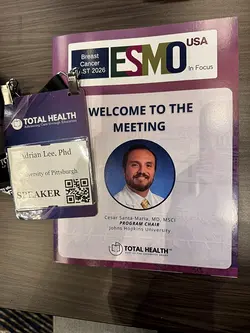
UPMC Leaders Highlight Precision Medicine Advancements at Key Conferences
0/100