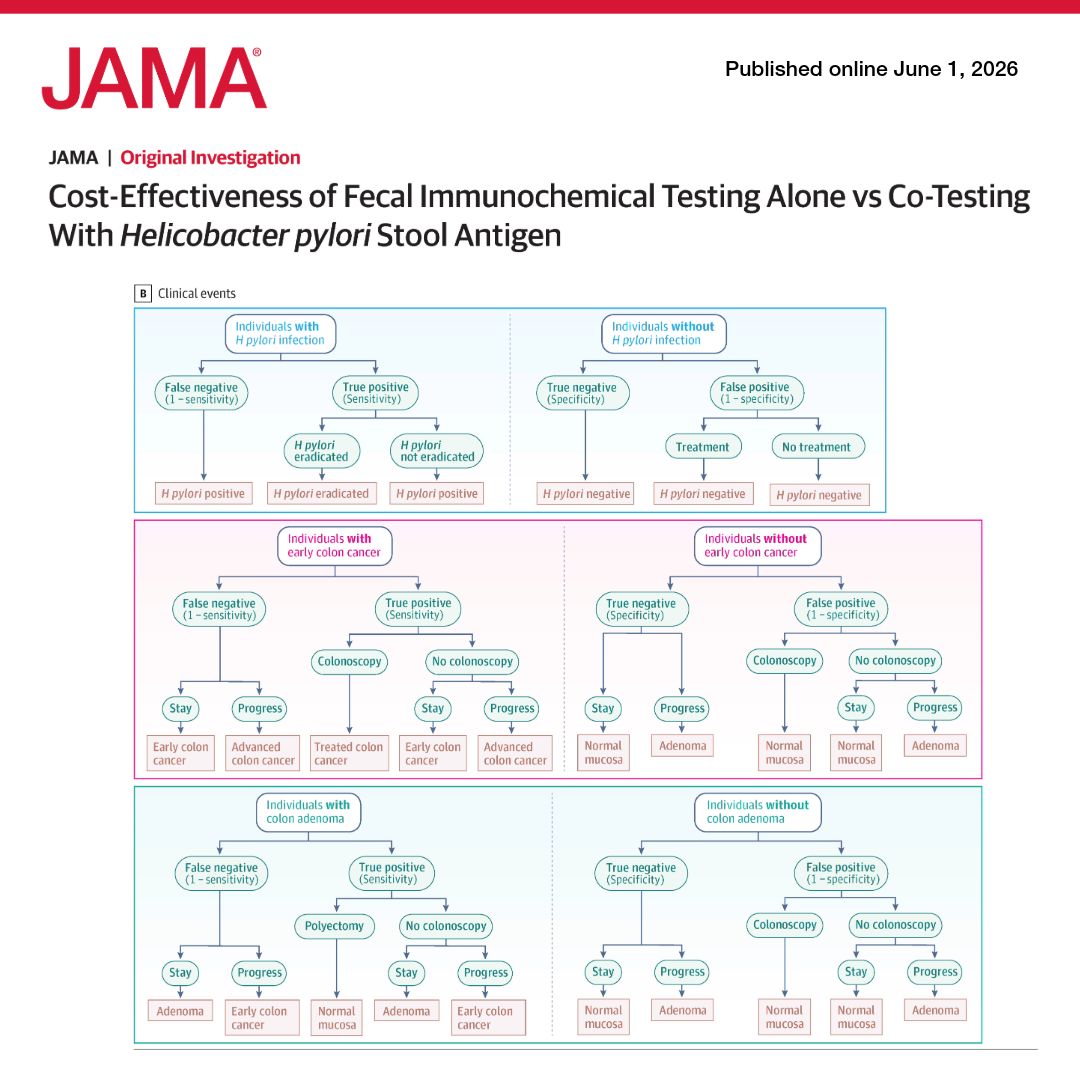

In a randomized clinical trial-informed cost-effectiveness analysis, invitation to combined #Helicobacter #pylori stool #antigen testing and fecal immunochemical test (#FIT) screening for #colorectal #cancer was more effective and less costly than FIT alone under real-world adherence in Taiwan.
Co-testing reduced gastric cancer mortality and produced lifetime cost-savings per quality-adjusted life-year gained, with a benefit-cost ratio of over 5.
Sensitivity analyses identified H pylori prevalence as a dominant driver. In higher-cost settings, co-testing remained cost-effective when population H pylori prevalence exceeded 22%, supporting the strategy’s broader applicability.
https://ja.ma/4uIeGG6
Co-testing reduced gastric cancer mortality and produced lifetime cost-savings per quality-adjusted life-year gained, with a benefit-cost ratio of over 5.
Sensitivity analyses identified H pylori prevalence as a dominant driver. In higher-cost settings, co-testing remained cost-effective when population H pylori prevalence exceeded 22%, supporting the strategy’s broader applicability.
https://ja.ma/4uIeGG6
Shared byLogan Silva - 2 days ago
Log in to comment
Loading ..
Related Articles
2025 ACC/AHA/ACEP/NAEMSP/SCAI Guideline for Acute Coronary Syndrome Management
AI-Powered CDS in Medicine: Navigating Advertising Challenges and Ethical Standards
Cost-Effective Gastric Cancer Prevention with Co-Testing in Taiwan: A JAMA Analysis
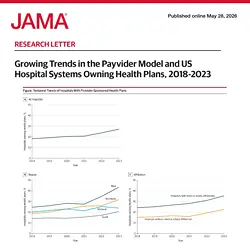
Growth of Provider-Sponsored Health Plans: Trends and Implications from 2018 to 2023
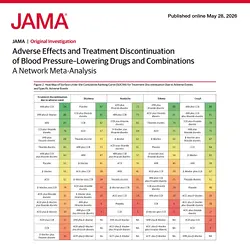
Comprehensive Network Meta-Analysis on Blood Pressure Drug Discontinuation Rates
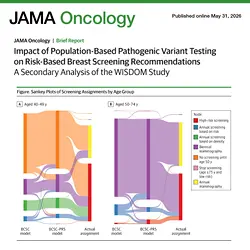
Breast Cancer Gene Study Reveals Gaps in High-Risk Screening Recommendations
4
0/100